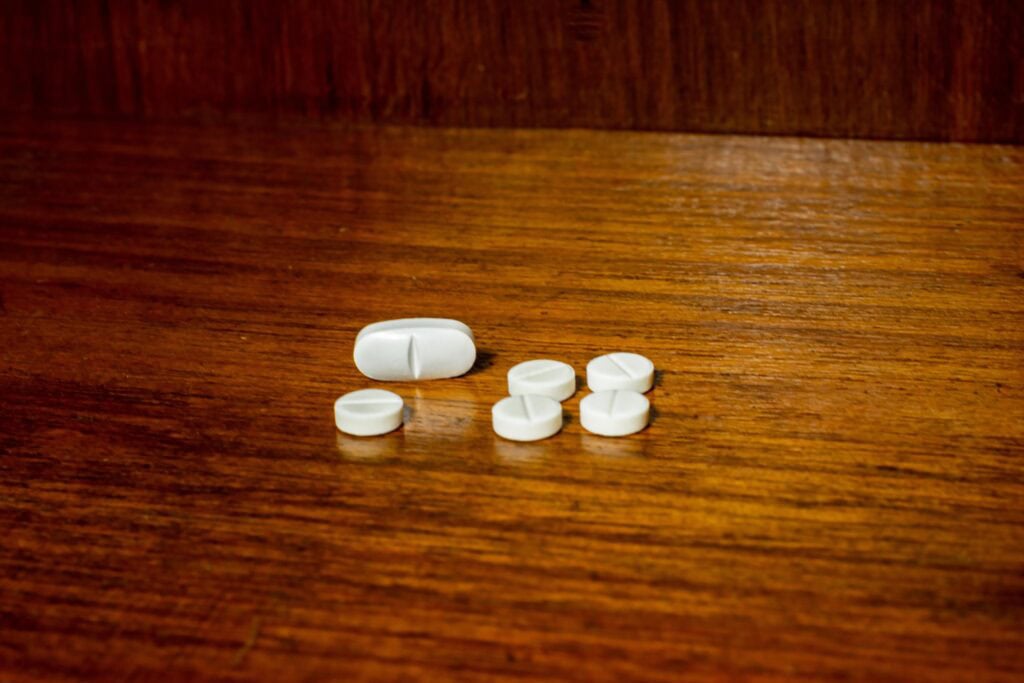
Hallucinations and Taking Fentanyl for Severe Pain
Fentanyl is a pharmaceutical fentanyl used to treat severe pain, but it strongly affects the central nervous system by binding to opioid receptors. In some cases, fentanyl affects brain function in ways that may contribute to opioid induced hallucinations, confusion, or other mental health symptoms. High doses or illicitly manufactured fentanyl increase potential risks such as respiratory depression, withdrawal effects, and overdose deaths. These reactions may occur when fentanyl use interacts with other substances or is misused outside medical supervision. Learn more about addiction treatment options and how we can help.
CTA: If hallucinations or fentanyl side effects are present, seeking immediate professional help can reduce risk and improve safety.
What Is Fentanyl?
Fentanyl is a highly potent synthetic opioid originally created to manage severe pain. It is extremely powerful and acts quickly within the body. According to data from the National Institute on Drug Abuse, it is 50 to 100 times stronger than morphine. This staggering potency makes it incredibly dangerous for anyone to use.
If you are wondering, does fentanyl make you hallucinate? You must first understand the brain. The drug rapidly binds to opioid receptors in the central nervous system. These specific receptors help control your pain levels and emotions. When a substance this powerful enters your system, it completely overwhelms those receptors.
This chemical flood severely disrupts the body’s natural state of wellness and balance. It forcefully hijacks your brain’s delicate reward centers. It alters how your nervous system communicates on a basic level. Your body struggles to maintain any equilibrium under this intense chemical pressure.
This extreme internal disruption leads to a wide range of dangerous symptoms. Over time, the body forgets how to regulate itself naturally. This is why seeking professional care at a fentanyl rehab and addiction rehab is so critical. Medical support is necessary to safely restore that delicate chemical balance. Healing requires time, patience, and expert clinical guidance.
Are Fentanyl Hallucinations a Real Thing?
When someone asks if does fentanyl make you hallucinate, the direct answer is yes. Hallucinations are a real and clinically documented side effect. They are not the most common reaction, but they do certainly occur. Clinical data shows that up to 6% of patients using fentanyl can experience these visual distortions.
Experiencing visual distortions or hearing things that are not there is truly terrifying. It can make you feel like you are losing control of your mind. However, these frightening symptoms are a clear distress signal. They indicate that your central nervous system is severely struggling. Your brain is desperately crying out for medical intervention to regain balance.
These drug-induced hallucinations often happen when other factors are involved. Underlying mental health conditions can increase your risk significantly. Someone with intense anxiety or severe depression is much more vulnerable. Mixing substances confuses the brain’s chemistry even further, triggering these severe episodes.
If you experience this, it is crucial to take it seriously. It is a sign that the body’s equilibrium is dangerously off track. Professional care at California dual diagnosis treatment centers can safely address this. Clinical support treats both the substance use and the mental health conditions. Healing requires treating the whole person, not just the symptoms.
Fentanyl Side Effects
Fentanyl creates a massive chemical disruption that impacts your entire body. The fentanyl side effects range from deeply uncomfortable to life-threatening.
Physically, it suppresses the respiratory system and causes severe, heavy drowsiness. Mentally, it triggers deep confusion, memory loss, and emotional instability.
| Type of Effect | Common Symptoms | When to Seek Immediate Help |
|---|---|---|
| Mental Effects | Confusion, dizziness, extreme anxiety | Severe paranoia or active hallucinations |
| Physical Effects | Drowsiness, nausea, constricted pupils | Loss of consciousness or inability to wake up |
| Severe Reactions | Slow heart rate, profound sedation | Stopped breathing or blue-tinted lips |
These side effects of fentanyl show how deeply the drug shatters your natural baseline. Your essential dopamine levels become severely dysregulated. This prevents you from feeling normal joy, motivation, or relaxation. The central nervous system essentially loses its ability to function properly.
Symptoms of Fentanyl Overdose
An overdose is the most dangerous consequence of fentanyl use. It is a critical medical emergency that requires immediate, life-saving action. The primary fentanyl overdose side effects include pinpoint pupils and a very slow heart rate. You might also notice hypoxia, which causes blue lips and fingertips.
If someone loses consciousness or stops breathing, you must act fast. You should administer Naloxone immediately if it is available. Call emergency services right away to ensure professional care arrives. Time is the most critical factor in surviving an opioid overdose.
What Are the Withdrawal Symptoms of Fentanyl Addiction?
When the drug leaves your system, the painful withdrawal process begins. The fentanyl withdrawal side effects are notoriously intense and overwhelming. Your body reacts violently as it tries to find its natural baseline again. The nervous system misfires, sending extreme pain signals throughout your entire body.
People often experience severe nausea, muscle aches, and crushing anxiety. This happens because the brain has built a massive tolerance to the drug. These fentanyl withdrawal symptoms make quitting on your own incredibly difficult. Fortunately, medical detoxification programs can manage this severe discomfort safely and effectively.

Long-Term Effects of Fentanyl Use
The fentanyl long-term side effects take a massive toll on the human body. Prolonged use fundamentally alters how your brain processes everyday information. It creates a painful condition known as hyperalgesia. This means your body becomes incredibly sensitive to even very minor pain.
Living with an opioid use disorder severely disrupts all your life systems. Chronic respiratory issues and weakened immune function are very common. It also paves the way for severe, long-lasting mental health conditions. People often struggle with deep depression and profound emotional numbness.
According to guidelines from the Centers for Disease Control and Prevention, the chronic organ strain is immense. However, it is vital to remember that the human body is deeply resilient. When given the right tools, it has a profound capacity to heal.
Seeking help from an opioid addiction treatment center is the best way to start. Professional support helps reverse this neurological damage safely. Slowly, your brain and body can return to a balanced, healthy state. Recovery is entirely possible with patience, time, and compassionate clinical care.
Local Fentanyl Addiction and Treatment
Recovery is the ultimate restoration of your body’s natural balance. Choosing to seek professional help is a brave and powerful decision. Finding the right environment to heal is just as important. For residents of California, local care offers significant clinical advantages.
You do not need to endure the stressful commute to Los Angeles. You can completely avoid the high costs of coastal treatment facilities. At pH Wellness in Riverside, you receive premium, accessible addiction treatment. We provide clinical excellence right in your own local community.
If you are ready to reclaim your life, trusted help is available today. You truly deserve a life free from the daily chaos of substance use. Reach out to our compassionate team to start your healing process.
Medical Detox Support
Detox California programs help manage opioid withdrawal symptoms and reduce withdrawal symptoms safely under medical supervision. Patients experiencing fentanyl addiction may need structured care to stabilize brain function and reduce fentanyl related overdoses. Detox support is often the first step in comprehensive treatment.
If withdrawal symptoms are severe, contacting a treatment provider can help determine the safest next step.
Residential Inpatient Care
Our programs focus on evidence-based treatments to rebuild your physical health. We use cognitive-behavioral therapy to help reshape harmful thought patterns. We also offer medications for opioid use disorder to ease your physical transition. Our Riverside inpatient rehab program provides compassionate 24-hour support.
Partial Hospitalization and Intensive Outpatient Care
A partial hospitalization program California offers structured daily treatment for individuals transitioning from inpatient care. IOP California programs help patients continue recovery while managing daily responsibilities. Both levels of care use evidence-based treatments and behavioral therapies to support long-term recovery.
Structured outpatient care can help individuals maintain stability while continuing recovery progress.
Dual Diagnosis Treatment Services
California dual diagnosis treatment centers provide care for individuals facing both substance use and mental health disorders. Treatment may include addressing depression, anxiety, or fentanyl use alongside opioid withdrawal symptoms. Integrated care improves outcomes for complex addiction cases.
Dual diagnosis treatment can help address both addiction and mental health symptoms.
CBT and Evidence-Based Therapy
Riverside Drug Rehab programs often include cognitive behavioral therapy to help patients understand thought patterns tied to substance use. CBT California helps address cravings, anxiety, and triggers linked to fentanyl use. Evidence-based treatments support long-term recovery and relapse prevention.
DBT and Emotional Regulation Support
DBT residential treatment centers California focus on emotional regulation, distress tolerance, and coping skills for individuals with substance use disorder. These approaches help manage depression, anxiety, and withdrawal effects linked to opioid use. DBT supports stability during recovery from fentanyl addiction.
Group and Family Therapy Support
Group therapy for addiction treatment helps individuals connect with others experiencing similar recovery challenges. Family therapy Riverside CA strengthens communication and support systems during treatment. These services improve long-term recovery outcomes and emotional support.
Family and group support can strengthen recovery during and after treatment.
Motivational Interviewing and Behavioral Support
Motivational interviewing helps individuals explore ambivalence around fentanyl use and seeking treatment. This approach is effective for increasing readiness for change and engagement in treatment options. It is often combined with other behavioral therapies for stronger outcomes.
Sources
National Institute on Drug Abuse. (June 6, 2025). Fentanyl. National Institute on Drug Abuse.
U.S. National Library of Medicine. Unique Pharmacology, Brain Dysfunction, and Therapeutic Management of Fentanyl. PubMed Central.
U.S. National Library of Medicine. Opioid-induced Hallucinations: A Review of the Literature, Pathophysiology, Diagnosis, and Treatment. PubMed Central.
University of Washington. (July 1, 2025). How fentanyl changes the brain: assessing mood, cognition, and withdrawal using animal models of addiction and brain-wide neural activity markers. University of Washington.
Substance Abuse and Mental Health Services Administration. (June 9, 2023). National Helpline for Mental Health, Drug, Alcohol Issues. SAMHSA.
Centers for Disease Control and Prevention. (July 8, 2025). Fentanyl: Incapacitating Agent. CDC.
Lake County, Indiana. (September 9, 2024). Physical Health Risks of Opioid Use: Short- and Long-Term Consequences. Lake County Health Department.