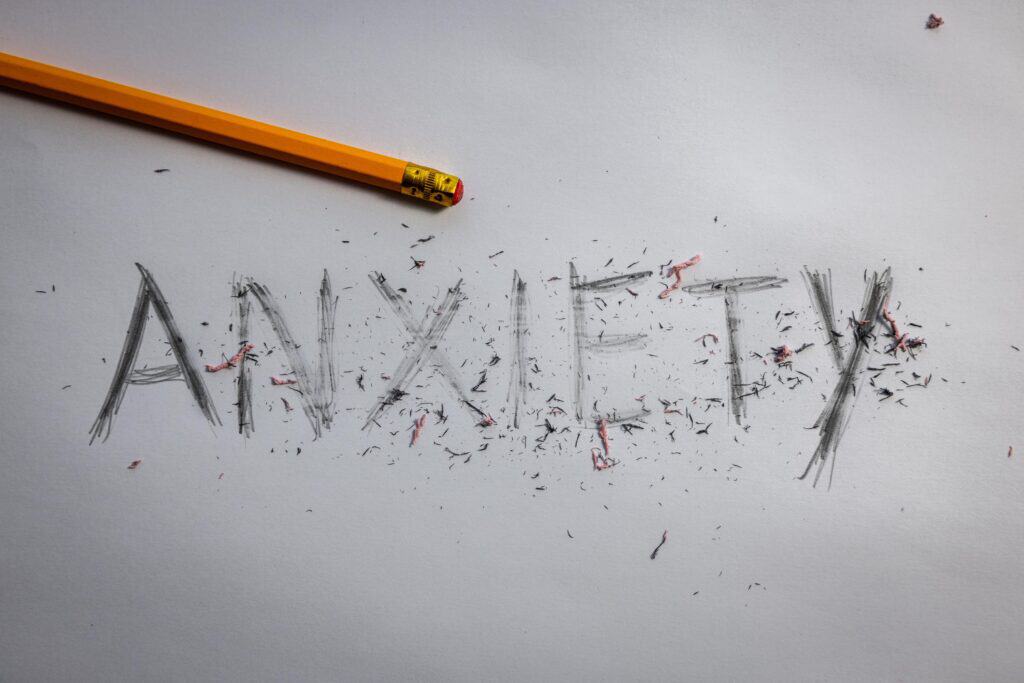
How Does Alcohol Consumption Affect Anxiety Disorder?
Alcohol plays a significant role in how the brain manages mood and stress, and its effects on the central nervous system go well beyond just feeling relaxed or uninhibited during a night out. When you drink, alcohol increases the activity of gamma aminobutyric acid, the brain’s primary calming chemical, which is why drinking can temporarily feel calm-inducing, but as alcohol wears off, that chemical balance shifts sharply in the other direction, often triggering feelings of anxiety, restlessness, and dread. If anxiety symptoms after alcohol consumption are becoming a regular part of your life, it may point to alcohol use disorder or a co-occurring mental health issue that warrants professional attention, and the addiction types we treat page is a good place to start exploring what treatment can look like.
What Causes Anxiety After Drinking Alcohol?
Alcohol disrupts your brain’s natural balance. When you experience anxiety after drinking alcohol, your body is struggling to restore equilibrium. This feeling, commonly called hangxiety, is a blend of physical and emotional reactions. Research shows that it affects around 22% of social drinkers. It is essentially a mini-withdrawal.
If drinking is making your anxiety worse, you do not have to sort it out alone. Call us at (888) 707-3880 or contact us for a free, confidential assessment.
The Chemical Rebound Effect: GABA and Glutamate
When you take a drink, alcohol slows your central nervous system. It boosts a calming neurotransmitter called gamma-aminobutyric acid (GABA). This helps you feel relaxed.
At the same time, it suppresses glutamate, which is an excitatory chemical. But as the alcohol wears off, your brain scrambles to fix this neurochemical imbalance. It lowers GABA and spikes glutamate. This sudden shift leaves your brain overstimulated.
This abnormal neurotransmission of glutamate and GABA creates a chemical rebound effect. Your peaceful evening quickly turns into morning panic.
Stress Hormones and Poor Sleep
Alcohol also triggers a fight or flight response. Drinking causes a surge in cortisol, which is your body’s primary stress hormone.
When your sympathetic nervous system kicks into overdrive, you wake up feeling alarmed for no clear reason. Furthermore, alcohol wrecks your REM sleep. While you might fall asleep fast, you miss out on deep, restorative rest.
This sleep deprivation leaves you exhausted and irritable. Without quality sleep, your brain cannot properly manage anxiety, calling for anxiety treatment Riverside.
Physical and Psychological Factors
Your body takes a physical beating from alcohol. Dehydration and low blood sugar cause headaches, shakiness, and a racing heart. These physical withdrawal symptoms easily mimic panic attacks, tricking your brain into feeling terrified.
Then, the psychological factors set in. You might experience ruminating thoughts about what you said or did the night before.
If you had memory lapses or blackouts, social anxiety can quickly spiral out of control. Your mind races to fill in the blanks, turning minor physical discomfort into intense, overwhelming fear.
Common Symptoms of Anxiety After Drinking
Hangxiety feels different for everyone. It blends typical hangover symptoms with intense, overwhelming worry. Not everyone experiences every symptom, and the severity often depends on how much you drank. This discomfort is your body reacting to the loss of its natural balance.
The symptoms usually fall into three main categories:
- Physical: You might feel a rapid heart rate pounding in your chest. Sweating, nausea, and restlessness are very common. These physical cues can sometimes trigger full panic attacks.
- Emotional/Mental: You may wake up with a heavy sense of dread or paranoia. This often includes obsessive worry about your past actions. You might feel intense shame or sadness for no specific reason.
- Cognitive: Your brain might struggle to focus. You may experience a racing mind that will not quiet down. Extreme fatigue makes it hard to process thoughts clearly or stay alert.
These reactions happen because your nervous system is hyperactive. Your brain is working overtime to clear out the alcohol and restore its natural chemistry. While these feelings are incredibly uncomfortable, they are a temporary chemical response.
How to Cope with Anxiety After Drinking
When hangover anxiety strikes, you need immediate, gentle ways to cope with anxiety. These short-term relief strategies focus on soothing your nervous system. They will not cure the root cause, but they will help you survive the morning.
| Approach | Goal | Methods | Outcome | When It’s Needed |
|---|---|---|---|---|
| Short-Term Coping | Manage immediate symptoms | Hydration, rest, deep breathing | Temporary relief from panic | The morning after drinking |
| Long-Term Recovery | Address the root cause | Therapy, detox, professional help | Restored balance and lasting sobriety | When drinking causes ongoing harm |
Try these simple self-care steps to ease your symptoms:
- Rehydrate and Refuel: Drink plenty of water and electrolyte-rich fluids. Alcohol drains your body’s minerals. Eat gentle, nourishing foods like bananas to stabilize your blood sugar.
- Prioritize Rest: Give yourself permission to do nothing. Your brain is recovering from sleep deprivation, so nap if you can.
- Avoid Caffeine: Skip the coffee. Caffeine is a stimulant that can worsen your rapid heart rate and heighten your anxiety.
- Practice Mindfulness: Try a simple body scan or meditation. Focused deep breathing helps calm your fight-or-flight response. Lowering your heart rate through mindfulness can quickly ease feelings of dread.
- Offer Self-Compassion: Remind yourself that this panic is just a chemical imbalance. The feeling is temporary. Avoid beating yourself up over a rough morning.
These immediate steps help you find your footing. However, if you find yourself relying on these tools every weekend, it might be time to look deeper.
When Hangxiety Signals a Deeper Problem with Alcohol
An occasional bout of morning nerves is one thing. But if you constantly wake up filled with dread, your hangxiety might indicate a more serious issue. When your brain frequently scrambles to fix these chemical imbalances, the cycle can easily spiral into alcohol dependence.
Medical Detox
For people with alcohol dependence, stopping drinking abruptly can trigger severe physical symptoms and heightened anxiety as the nervous system adjusts to the absence of alcohol. Our detox California program provides 24-hour medical supervision to manage withdrawal symptoms safely and reduce the physical and psychological discomfort of the early detox process.
Inpatient Rehab
Riverside inpatient rehab offers a fully structured residential environment where clients receive clinical care, individual therapy, and peer support around the clock. Inpatient treatment is well suited for people whose drinking habits have become deeply entangled with anxiety, depression, or other mental health conditions, and who need intensive support to break the cycle.
Partial Hospitalization Program (PHP)
A partial hospitalization program California provides structured, full-day treatment several days per week without requiring an overnight stay, making it a strong middle ground between inpatient and outpatient care. PHP is ideal for clients stepping down from residential treatment or those whose anxiety and alcohol use are severe enough to require more support than standard outpatient programs provide.
Intensive Outpatient and Outpatient Programs
IOP California allows clients to attend multiple therapy sessions per week while continuing to manage work, family, and other daily responsibilities. This level of care is particularly effective for people whose feelings of anxiety are linked to drinking habits they want to change but who do not require full-time clinical supervision.
Not sure which level of care fits your situation? Contact us and our team will help you find the right starting point based on your drinking and anxiety history.
Sources
National Center for Biotechnology Information. (August 12, 2022). Knowledge atlas of the involvement of glutamate and GABA in …. PMC.
Johns Hopkins University. (January 1, 1999). Alcohol and the hypothalamic-pituitary-adrenal axis. Johns Hopkins University.
National Center for Biotechnology Information. (July 27, 2017). The impact of alcohol hangover symptoms on cognitive and physical …. PMC.
National Center for Biotechnology Information. (April 7, 2023). Depression, Anxiety, and Stress among Hangover-Sensitive …. PMC.
Georgetown University Medical Center. (November 9, 2022). Mindfulness-Based Stress Reduction is as Effective as an …. Georgetown University Medical Center.
Harvard Health Publishing. (August 11, 2025). How to reduce stress and anxiety through movement and mindfulness. Harvard Medical School.
National Center for Biotechnology Information. (February 1, 2024). Caffeine intake and anxiety: a meta-analysis. PMC.
University of Florida. Substance Use Disorders vs. Substance Abuse and Dependence. University of Florida.
National Institute on Alcohol Abuse and Alcoholism. (May 8, 2025). Alcohol Use Disorder: From Risk to Diagnosis to Recovery. NIAAA.
Centers for Disease Control and Prevention. (May 8, 2025). Alcohol Screening and Brief Intervention (SBI). CDC.
National Center for Biotechnology Information. Anxiety and Alcohol Use Disorders: Comorbidity and Treatment …. PMC.
National Library of Medicine. Inland Empire: Increasing Medi-Cal Coverage Spurs Safety-Net …. NLM.