
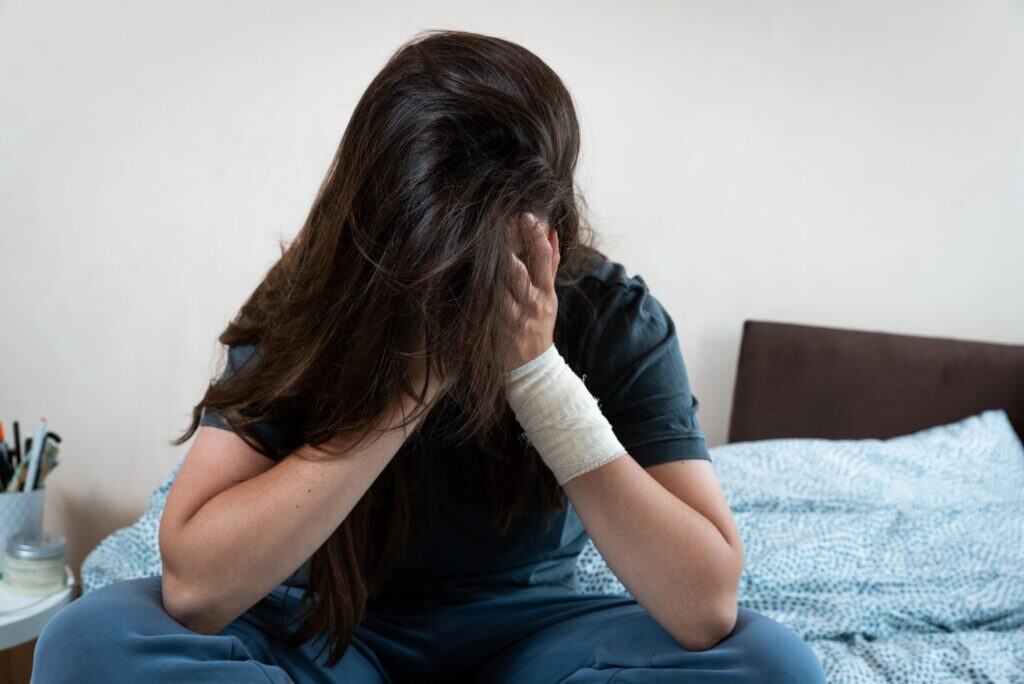
What is Non Suicidal Self Injury?
Self-harm, also known as self-injury, is when someone intentionally hurts their own body. It’s crucial to understand that this is almost always a coping mechanism for overwhelming emotional pain, not an attempt to end their life. However, while non-suicidal self-injury (NSSI) isn’t the same as a suicide attempt, it does signal significant emotional distress and can increase long-term suicide risk.
One of the most common myths about self-harm is that it’s a way to get attention. In reality, people who self-harm often go to great lengths to hide their injuries out of shame or fear. It’s a private, desperate attempt to manage feelings that have become too much to bear. Understanding this helps us respond with compassion instead of judgment.
Why Do People Harm Themselves?
When someone is drowning in emotional pain, self-harm can feel like a lifeline, even if it’s a dangerous one. It’s a maladaptive coping mechanism used to deal with intense feelings like anxiety, sadness, emptiness, or anger. For some, the physical pain provides a distraction from the emotional distress that feels unbearable.
For others who feel emotionally numb, self-injury can be a way to feel something, anything at all. It can also become a form of self-punishment, driven by feelings of worthlessness. You might wonder how something painful can bring relief. When the body is injured, it releases endorphins, which are natural pain relievers. This chemical release can create a brief sense of calm or even pleasure, reinforcing the behavior as a temporary escape from emotional turmoil.
Risk Factors for Nonsuicidal Self Injury
Certain experiences and conditions can make a person more vulnerable to self-harm behaviors. It’s rarely caused by a single issue but rather a combination of factors. Key risk factors include:
- Mental health conditions: Co-occurring challenges with depression, anxiety disorders, eating disorders, or post-traumatic stress can significantly increase risk.
- History of trauma or abuse: Experiencing neglect, or physical, emotional, or sexual abuse, is a major risk factor.
- Low self-esteem: Persistent feelings of worthlessness, shame, or self-hatred often underlie the urge to self-harm.
- Social isolation or bullying: Feeling disconnected from others, being bullied at school or online, or struggling to fit in can lead to intense emotional pain.
- Lack of a supportive environment: This is especially true for teens in the LGBTQ+ community who may face rejection or lack of acceptance from family and peers.
What Are the Signs of Self Harm?
Because self-harm is often hidden, it’s important to know what to look for. The signs aren’t just physical; they can be emotional and behavioral, too. If you notice several of these signs together, it may be a signal that someone is struggling. Keeping an eye out for these changes is a crucial way to offer support when it’s needed most.
- Physical Signs: These include unexplained cuts, burns, bruises, or scars, which may appear in patterns. You might also find sharp objects like razors or lighters hidden in their belongings.
- Behavioral Signs: A common sign is wearing long sleeves or pants, even in hot weather, to hide injuries. You may also notice social withdrawal from friends and activities they once enjoyed, increased isolation, and emotional instability or sudden mood swings.
- Emotional Signs: Listen for expressions of hopelessness or worthlessness. They might talk about feeling trapped, being a burden, or having intense shame and self-hatred. These feelings often fuel the cycle of emotional pain and self-injury.
How You Can Help Support Someone Who Self Harms
Discovering that a loved one, especially your child, is self-harming can be terrifying. Your first instinct might be to panic, but the most helpful response comes from a place of calm and love. Start a gentle conversation, letting them know you’re concerned because you care. Try saying something like, “I’ve noticed you seem down lately, and I’m worried about you. I’m here to listen, with no judgment.”
The most important thing you can do is validate their pain and express your unwavering support. Reassure them that they aren’t alone and that you’ll get through this together. Gently encourage them to talk to a professional who can provide the right tools and strategies for healing. For more personalized guidance on starting this conversation, feel free to connect with our compassionate team.
How Self Harm is Treated
Healing from self-harm involves learning safer, healthier ways to cope with emotional pain. Effective treatment focuses on addressing the underlying issues driving the behavior. At pH Wellness, we know that self-harm often co-occurs with other mental health challenges, which is why dual diagnosis treatment is so important for creating a holistic and effective care plan. Evidence-based therapies are at the core of recovery. Two of the most effective approaches are:
- Dialectical behavior therapy (DBT): This therapy is highly effective for self-harm. It teaches crucial skills in mindfulness, distress tolerance, emotion regulation, and interpersonal effectiveness.
- Cognitive behavioral therapy (CBT): This approach helps individuals identify and challenge the negative thought patterns and beliefs that lead to self-harming behaviors.
In our supportive, family-run environment, we use these therapies to help people build resilience and foster lasting healing.
Can Self Harm Be Prevented?
While we can’t always prevent emotional pain, we can build the skills to navigate it safely. Prevention focuses on fostering a supportive environment and developing healthy coping mechanisms before self-harm begins. This involves improving emotional literacy, the ability to recognize and name feelings, and learning effective emotional regulation techniques.
Building strong social support networks in which teens and adults feel safe expressing their vulnerabilities without fear of stigma is also key. When people feel heard and have tools to manage distress, they are less likely to turn to harmful behaviors. Teaching these coping skills early on can make all the difference.
When to get emergency help
It’s vital to know when a situation requires immediate intervention. If an injury is severe, involves uncontrolled bleeding, or if someone has ingested poison, call 911 or go to the nearest emergency room (ER) right away. Furthermore, any expression of suicidal intent must be taken seriously. Don’t leave the person alone.
Frequently Asked Questions
People self harm as a way to feel control, release negative feelings, or punish oneself. For some young adults and young people, hurting oneself may temporarily reduce emotional pain by replacing it with physical pain. Certain mental health conditions such as post traumatic stress disorder, eating disorders, attention deficit hyperactivity disorder, and other mental disorders can increase risk factors. Low self esteem, social isolation, and long periods of untreated depression or anxiety may also lead a person to self injure as a way to cope.
Self harm and suicidal behavior are not always the same, but they can be connected. Nonsuicidal self injury does not necessarily mean a person wants to end their life. However, individuals who self harm are at higher risk for suicidal ideation or a suicide attempt over time. If someone expresses suicidal thoughts or shows signs of immediate danger, emergency care or immediate help is necessary. Contact a crisis lifeline or seek urgent medical attention if suicide risk is present.
Treatment for self harm behaviors often involves working with a mental health provider to address underlying mental health conditions. Dialectical behavior therapy is commonly used to help people develop problem-solving skills, regulate emotions, and learn healthy ways to cope with difficult emotions. Family members and trusted adults can provide support, especially for a child or teenager. With the right treatment and consistent support, individuals can build safer coping strategies and improve overall mental health and quality of life.
Discovering Mental Health Support When Struggling with Self Injury
Understanding the signs of self-harm and the reasons behind it is the first brave step on the path forward to healing. Recovery is not just possible; it’s what we expect when people receive compassionate, professional support. As one of our team members often says, “True strength isn’t about never falling; it’s about learning how to get back up, and there’s no shame in needing a hand to help you rise.” This journey toward hope is one you don’t have to walk alone.
If you or someone you love is struggling, please know that help is available. Learning to cope with intense emotions is possible, and a healthier future is within reach. For a confidential consultation about our programs, call us at (888) 707-3880. At pH Wellness, we are here to provide the support and guidance your family needs. Don’t hesitate to reach out and contact us to start the conversation.
Sources
- (January 1, 2025). Warning Signs of Suicide. National Institute of Mental Health.
- MedlinePlus. (October 17, 2023). Self-Harm. MedlinePlus.
- Cornell Research Program on Self-Injury and Recovery. (January 6, 2022). About Self-Injury. Cornell University.
- National Library of Medicine. (August 4, 2020). Nonsuicidal self-injury scar concealment from the self and others. PubMed Central.
- Substance Abuse and Mental Health Services Administration. (September 26, 2025). 988 Suicide & Crisis Lifeline. SAMHSA.
- University of Utah Health. (November 20, 2025). 988 Suicide & Crisis Lifeline. University of Utah Health.
- Wyoming Department of Health. (May 28, 2025). 988 Suicide & Crisis Lifeline. Wyoming Department of Health.
- New York State Office of Mental Health. (November 7, 2014). Crisis Prevention. New York State Office of Mental Health.
- Wisconsin Department of Health Services. (January 17, 2024). Health Agency Urges Parents, Caregivers to be Aware of Signs of …. Wisconsin Department of Health Services.
- National Library of Medicine. (October 9, 2015). Managing Suicidal Patients in the Emergency Department. PubMed Central.


