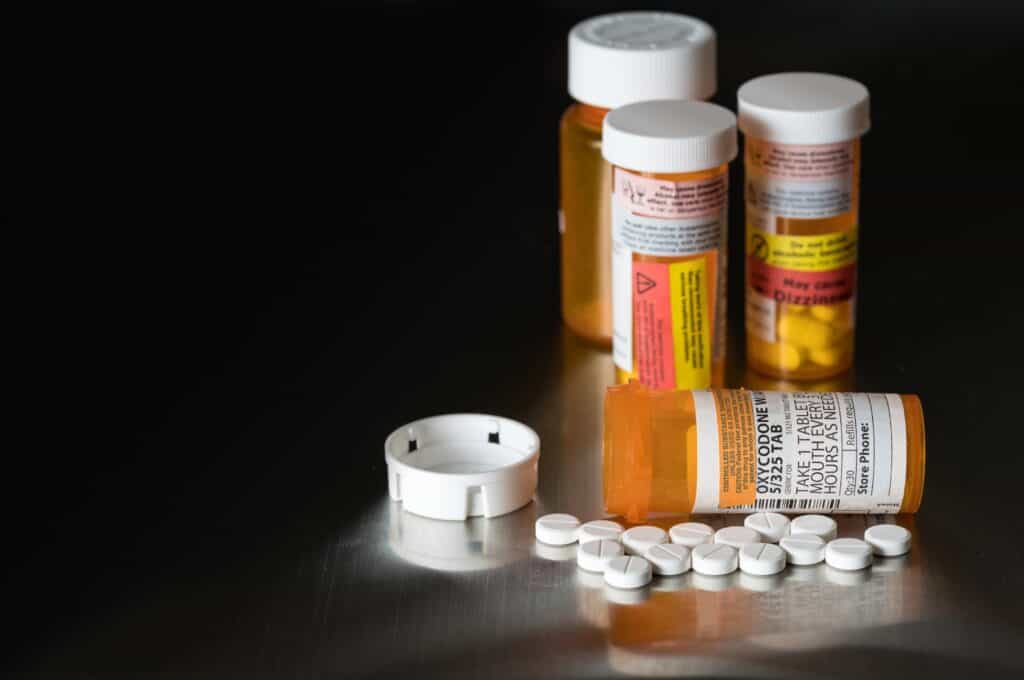
How Opioid Misuse Happens
Opioid use disorder (OUD) isn’t a matter of willpower or moral character; it’s a medical condition rooted in brain chemistry. Opioids, whether prescribed for pain or used illicitly, work by binding to specific sites in the brain called opioid receptors. When this happens, they block pain signals and release a flood of dopamine, a chemical that creates feelings of intense pleasure and reinforces the behavior. Your brain’s natural reward system is essentially hijacked, teaching it to seek out the substance again and again.
Over time, the brain adapts to this new normal. This leads to tolerance, where you need more of the opioid to achieve the same effect you once felt. Soon after, physical dependence can develop, meaning your body relies on the substance just to feel normal. If you try to stop, you’ll likely experience painful withdrawal symptoms because your brain is no longer producing enough of its own feel-good chemicals. It’s a powerful cycle that can feel impossible to break.
It’s also important to understand that genetics can play a significant role, with research suggesting an estimated 50% genetic contribution to developing an opioid use disorder. Understanding the biology helps us see OUD for what it is: a chronic brain disease that requires compassionate, evidence-based care.
Risk Factors for Opioid Use Disorder
No single cause leads to opioid use disorder, but a combination of factors can increase a person’s risk. Recognizing these factors can help in understanding how addiction develops and why some individuals may be more vulnerable than others. It’s never about placing blame but about seeing the whole picture with compassion.
- Genetic Predisposition: As mentioned, family history plays a big part. Genetics can account for about half of a person’s risk for developing an OUD. If a close relative has struggled with substance use, you may be more susceptible.
- Psychological Factors: Co-occurring mental health conditions like depression and anxiety are significant risk factors. Many people begin using opioids to self-medicate emotional pain or symptoms of trauma. A history of trauma, stress, or impulsive behaviors can also contribute.
- Environmental and Social Factors: Your surroundings and social circles matter. Factors like poverty, unemployment, and social isolation can increase risk. Peer pressure, especially among younger individuals, and living in an environment where drug use is common, can also make someone more vulnerable to opioid abuse.
- History of Substance Abuse: A personal or family history of addiction to other substances, such as alcohol or other drugs, can increase the likelihood of developing an opioid addiction.
What Are the Signs of Opioid Addiction?
Recognizing the signs of opioid addiction can be difficult, as they often develop gradually. If you’re worried about yourself or a loved one, knowing what to look for is the first step toward getting help. The symptoms can be broken down into a few key areas:
- Physical Signs: These can include drowsiness or “nodding off” at unusual times, constricted (small) pupils, shallow breathing, nausea, and noticeable weight loss. You might also notice frequent flu-like symptoms, which can be a sign of withdrawal.
- Behavioral Signs: Changes in behavior are often the most visible red flags. This could look like social withdrawal from friends and family, losing interest in hobbies, neglecting responsibilities at work or school, or experiencing financial trouble and borrowing money without a clear reason. Secretive behavior, such as hiding drug use, is also common.
- Psychological Signs: Opioid abuse can cause significant shifts in mood and mental state. Look for unexplained mood swings, increased anxiety or irritability, and episodes of depression or apathy.
When someone with physical dependence stops using opioids, they experience withdrawal. Symptoms often feel like a severe case of the flu and can include muscle aches, sweating, nausea, vomiting, insomnia, and intense cravings. According to the American Society of Addiction Medicine (ASAM), this acute phase of opioid withdrawal can last anywhere from three to ten days, making it incredibly difficult to overcome without medical support.
Opioid Addiction Treatment Options
While the reality of opioid addiction is daunting, the good news is that recovery is absolutely possible. Evidence-based treatments are available that address both the physical and psychological aspects of opioid use disorder. One of the most effective approaches is medication-assisted treatment (MAT). This involves using medications like buprenorphine or methadone to reduce cravings and withdrawal symptoms, which allows a person to stabilize and focus on their recovery.
Studies show that this approach is highly effective, with 40–65% of patients maintaining abstinence from other opioids while in therapy. These medications are not just replacing one drug with another; they are a medically supervised tool that helps rebalance brain chemistry and gives people a real chance to heal. If these challenges sound familiar, know that effective support is available through different levels of care, including medical detoxification, inpatient programs, and outpatient services. Exploring a path to recovery from fentanyl addiction is a brave first step.
Behavioral Therapy
Medication is a critical tool, but long-term recovery often depends on healing the underlying issues that contributed to addiction. Behavioral therapy helps individuals change their attitudes and actions related to drug use. Through counseling, patients learn to identify triggers, develop healthy coping mechanisms, and build life skills that support lasting sobriety. This therapy is essential for preventing relapse and empowers people to stick with their treatment plan.
Cognitive Behavioral Therapy
Cognitive behavioral therapy (CBT) is a specific type of therapy that is highly effective for opioid use disorder. CBT helps patients recognize the thought patterns and situations that lead them to use drugs. By understanding these connections, individuals can learn to avoid high-risk situations and develop practical coping skills to manage cravings and stress. Because many people with OUD also struggle with co-occurring mental health issues like anxiety or depression, CBT is invaluable for addressing both conditions at the same time.
Twelve-step programs
Connection and community are powerful forces in recovery. Twelve-step programs like Narcotics Anonymous (NA) provide a structured, supportive framework for people working toward sobriety. These peer support groups offer a safe space where individuals can share their experiences, draw strength from others who understand their journey, and feel a sense of belonging. The community accountability and shared hope found in these groups can be a vital component of a long-term recovery plan.
Frequently Asked Questions
When someone who is physically dependent stops taking opioids, they may experience withdrawal symptoms. Common opioid withdrawal symptoms include muscle aches, sweating, nausea, anxiety, insomnia, and intense opioid cravings. Some individuals may also experience low blood pressure, agitation, or flu like symptoms. While opioid withdrawal is rarely life threatening, it can be extremely uncomfortable and may increase the risk of relapse. Healthcare providers often use medication assisted treatment to help avoid withdrawal symptoms and reduce cravings safely.
Opioid misuse refers to taking prescribed opioids in a way not directed by a healthcare provider, such as exceeding the prescribed dose or using someone else’s prescription medications. Opioid abuse involves using opioid drugs for non medical reasons, including seeking euphoria or combining them with other illicit drugs or street drugs. Both opioid misuse and opioid abuse increase the risk of opioid overdose and long term opioid use disorder. According to the National Institute on Drug Abuse and data from disease control agencies, overdose deaths continue to be a major public health concern.
Prevention begins with careful pain control practices and responsible prescribing of opioid drugs. Patients should only take prescribed opioids as directed and properly dispose of unused opioids to prevent diversion. Healthcare providers are encouraged to follow guidelines from the National Institute on Drug Abuse and regulatory agencies like the Drug Enforcement Administration. Recognizing early signs of opioid misuse, addressing substance use concerns promptly, and seeking support from addiction medicine professionals can reduce the risk of overdose and improve long-term recovery outcomes.
Finding Hope and Help for Opioid Addiction
Navigating the opioid crisis can feel isolating, but it’s crucial to remember that it is a complex medical issue, not a moral failing. There are clear risk factors and recognizable signs, and most importantly, there is hope. Recovery is not just a possibility; it’s an achievable reality for thousands of people who have found the right support. With comprehensive, evidence-based care that addresses the whole person, you or your loved one can find a path forward.
Taking that first step is often the hardest part, but you don’t have to do it alone. If you’re ready to have a confidential conversation about the path to recovery, our compassionate team at pH Wellness is here to listen without judgment. Please call us at (888) 707-3880 or contact us to learn more about how we can help. Reaching out is an act of courage, and we are here to support you whenever you’re ready.
Sources
- Centers for Disease Control and Prevention. (June 9, 2025). Understanding the Opioid Overdose Epidemic. Centers for Disease Control and Prevention.
- National Institute on Drug Abuse. (August 21, 2024). Drug Overdose Deaths: Facts and Figures. National Institute on Drug Abuse.
- U.S. Department of Health and Human Services, Office of Inspector General. (April 14, 2025). Fewer than One in Five Medicare Enrollees Received Medication to Treat Their Opioid Use Disorder. U.S. Department of Health and Human Services, Office of Inspector General.
- Substance Abuse and Mental Health Services Administration. (June 9, 2023). SAMHSA’s National Helpline. Substance Abuse and Mental Health Services Administration.
- National Association of Addiction Treatment Providers. Addiction Treatment Methods | Evidence-Based Practices. National Association of Addiction Treatment Providers.