
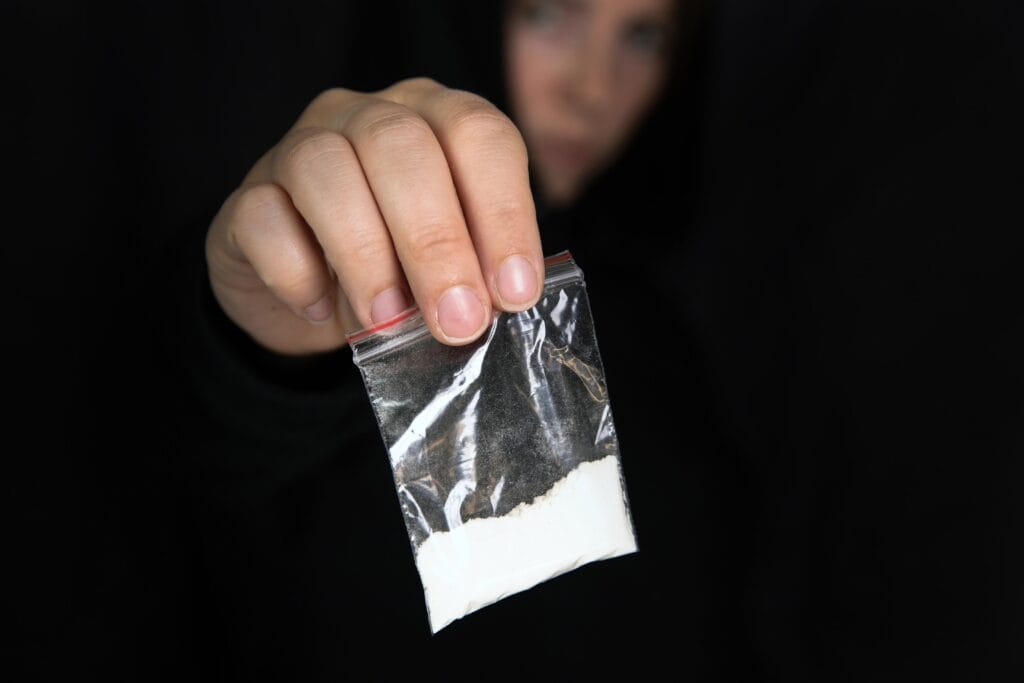
How Is Cocaine Metabolized in the Body?
When cocaine enters your body, it begins to break down almost immediately. Your system works quickly to process it, which is why the intense, euphoric effects are often short-lived. To understand how long it can be detected, it helps to know about its “half-life.” A drug’s half-life is the time it takes for half of the initial dose to be eliminated from the body. Cocaine has a very short half-life of about one hour.
However, the original drug isn’t what most tests are looking for. As the liver metabolizes cocaine, it creates breakdown products called metabolites. The main one is benzoylecgonine. While cocaine itself leaves the body quickly, benzoylecgonine lingers for much longer. Because it’s a specific marker for cocaine use, this is the substance that drug tests are designed to detect. Estimates show that when someone takes cocaine, about 40-45% of it is converted into benzoylecgonine, which is why understanding how cocaine addiction is treated often involves accounting for these long-lasting metabolites during detox.
Cocaine Detection Times by Test Type
So, how long does cocaine stay in your system? The honest answer is: it depends entirely on the type of test being used. Each method has a different detection window, and these are just estimates. The exact time can change based on personal factors, which we’ll cover in the next section. Four common methods are used to screen for cocaine: urine, blood, saliva, and hair tests.
Urine
Urine tests are the most common method for detecting cocaine use, mainly because they are non-invasive, affordable, and have a relatively long detection window. For an occasional user, cocaine metabolites like benzoylecgonine can typically be found in urine for 2 to 4 days after the last use. For heavy or chronic users, this window can extend significantly, with detection possible for up to two weeks. Different types of substance abuse treatment programs often use urine tests to monitor progress during recovery.
Blood
Blood tests are more invasive and have a much shorter detection window than urine tests. They are often used in emergency situations to determine if someone is actively under the influence. Cocaine itself is only detectable in the blood for up to 12 hours. Its metabolites, however, can remain detectable for up to 48 hours. Because this window is so short, blood tests are less common for workplace or routine screening.
Saliva
A saliva test, or oral fluid test, is another method for detecting very recent use. It’s easy to administer and hard to tamper with, making it a popular choice in some settings. Like blood tests, the detection window is short. Cocaine and its metabolites can typically be found in saliva for about 1 to 2 days after the last use.
Hair
For a long-term look at someone’s substance use history, a hair follicle test is the most effective method. When you use cocaine, its metabolites travel through the bloodstream and are deposited in the hair follicles. As your hair grows, it carries that history with it. Cocaine can be detected in a standard 1.5-inch hair sample for up to 90 days. In some cases, it can remain detectable for even longer, providing the most extended detection window of any test.
Factors That Affect Cocaine Detection Times
It’s important to remember that detection windows are not set in stone. Several personal factors can influence how long cocaine stays in your body. Think of it less like a strict timetable and more like a range that shifts based on your unique biology and patterns of use. If you’re looking for guidance on managing these variables, learning how to quit cocaine can provide valuable strategies.
- Dosage and Frequency: How much and how often you use cocaine plays a huge role. A single, small dose will be cleared from your system much faster than if you use large amounts frequently. Chronic use causes metabolites to build up in your body, extending detection times.
- Method of Administration: How you use cocaine (snorting, smoking, or injecting) affects how quickly it enters and leaves your bloodstream. Faster-acting methods may also be eliminated more quickly, though the metabolites will still linger.
- Metabolism: Everyone’s metabolism is different. A faster metabolic rate means your body will process and eliminate substances more quickly. Age, lifestyle, and genetics all influence your metabolic speed.
- Body Fat: Cocaine metabolites can be stored in fatty tissues. Individuals with a higher body fat percentage may retain these metabolites for longer periods, which can sometimes extend the detection window.
- Overall Health: Your liver and kidneys are the primary organs responsible for breaking down and filtering out substances. If they aren’t functioning at 100%, it can slow down the elimination process, keeping cocaine metabolites in your system for longer.
Does Cocaine Stay in Your System Longer if it’s Combined With Alcohol?
Yes, absolutely. Mixing cocaine and alcohol not only creates more intense and dangerous effects but also makes the substance stay in your body longer. When these two substances are combined, the liver produces a third, unique substance called cocaethylene. This new compound intensifies the euphoric effects of cocaine but is significantly more toxic to the heart and other organs.
Cocaethylene has a longer half-life than cocaine itself, which means it prolongs the drug’s effects and its detection window. Research shows that using cocaine with alcohol can increase cocaine levels in the blood by up to 30%. This combination also slows down the body’s ability to clear these substances; one study found that clearance was about 20% slower when cocaine was combined with alcohol. This makes the mixture especially risky and harder on your body.
Short-Term Effects of Cocaine Use
People often use cocaine for its immediate effects, which can include a powerful sense of euphoria, increased energy, and sharp mental alertness. For a few minutes, it might feel like all your worries have vanished. But these desired effects come with a list of negative and often dangerous short-term symptoms. Physically, you may experience a rapid heart rate, constricted blood vessels, and higher body temperature.
Psychologically, the high can quickly turn to anxiety, paranoia, and irritability. Once the initial effects wear off, a “crash” follows, leaving you feeling exhausted, depressed, and agitated. This intense comedown often creates a powerful craving to use again, which is how a cycle of use can begin. If these effects are causing problems in your life, please know that compassionate and effective help is available.
Frequently Asked Questions
A cocaine drug test does not usually detect the drug itself but rather cocaine metabolites. The primary metabolite most labs test for is benzoylecgonine, although ecgonine methyl ester and other byproducts may also be identified. These metabolites remain detectable in urine sample, saliva sample, blood tests, sweat tests, and hair sample depending on the testing method. Because cocaine is a Schedule II controlled substance derived from the coca plant, drug screens are often used in workplace testing, legal settings, and substance abuse treatment programs.
Yes. Cocaine is a powerful stimulant that affects the brain’s reward system and can lead to cocaine addiction, mental health disorders, and serious physical health issues. Repeated drug use may cause high blood pressure, heart complications, and psychological symptoms such as anxiety or paranoia. Withdrawal symptoms, known as cocaine withdrawal, can include fatigue, depression, and intense cravings.
The detection time depends on the type of cocaine drug test. Urine tests are the most commonly used method and can detect cocaine metabolites for 2 to 4 days after cocaine use. Chronic users may have a longer detection window. Blood tests have a shorter detection window and typically detect blood cocaine for up to 12 to 24 hours. Saliva tests usually detect cocaine for 1 to 2 days, while hair tests have the longest detection window and may detect cocaine in hair follicles for up to 90 days. Urine and hair tests are common methods used in analytical toxicology.
Find Cocaine Addiction Treatment and Detox Near You
Understanding how long cocaine stays in your system is often the first step toward addressing its impact on your life. Whether it’s for a job, your health, or your peace of mind, knowing the facts empowers you to make a change. If you feel that cocaine use is causing more harm than good, please know that recovery is possible and support is here for you. You can take the next step by calling us at (888) 707-3880 to speak with a compassionate specialist. Our team at pH Wellness is ready to help you navigate this journey with dignity and care. If you’re ready, you can also reach out to us online to start the conversation today.
Sources
- PubMed Central. (April 13, 2022). Cocaine: An Updated Overview on Chemistry, Detection, Biokinetics …. PubMed Central.
- Johns Hopkins University. (January 1, 2000). Elimination of cocaine and metabolites in plasma, saliva, and urine …. Johns Hopkins University.
- PubChem. (July 21, 2025). Benzoylecgonine | C16H19NO4 | CID 448223 – PubChem. PubChem.
- University of Rochester Medical Center. (n.d.). Cocaine Screen. University of Rochester Medical Center.
- SAMHSA. (2024). [PDF] 2024 Medical Review Officer (MRO) Case Studies – Urine. SAMHSA.
- National Center for Biotechnology Information. (2018). [Table, Urine Drug Testing Window of Detection]. NCBI.
- U.S. Department of Transportation. (June 6, 2023). DOT Rule 49 CFR Part 40 Section 40.85. U.S. Department of Transportation.
- National Center for Biotechnology Information. (1999). Appendix B. Urine Collection and Testing Procedures and …. NCBI.
- PubMed Central. (February 22, 2022). Cocaethylene: When Cocaine and Alcohol Are Taken Together – PMC. PubMed Central.
- PubMed. (July 28, 2002). Effects of concurrent use of alcohol and cocaine. Addiction.
- National Institute on Drug Abuse. (September 27, 2024). Cocaine. National Institute on Drug Abuse.
- PubMed Central. (January 1, 2021). Adverse health consequences of cocaine abuse – PMC. PubMed Central.
- PubMed Central. (October 16, 2019). Dependence, withdrawal and rebound of CNS drugs. PubMed Central.


