
The Power of Creative Expression in Therapy
Sometimes, talking about trauma, anxiety, or the pain of addiction feels impossible. Creative therapies offer a different language. They provide a non-verbal way to explore and process complex emotions that are hard to put into words. You don’t need to be a skilled artist or musician to benefit. The goal isn’t to create a masterpiece; it’s about the process of creation itself. It’s about letting your hands paint what your voice can’t say or allowing a melody to express a feeling you didn’t know you had.
This entire journey is guided by a trained therapist who creates a safe space for emotional healing and self-discovery. This therapeutic guidance is what separates a healing session from a hobby, ensuring the process is focused on your specific mental health goals. Understanding the principles of trauma-informed care is key to why this guided approach is so effective.
What is Art Therapy?
Art therapy is an integrative mental health profession that uses the creative process of making art to improve well-being. Guided by a professional art therapist, you can use media like painting, drawing, sculpting, or collage to explore your feelings and reconcile emotional conflicts. This approach helps reduce anxiety and increase self-awareness by turning internal struggles into something tangible and visible. The act of creating can be calming and insightful, offering new perspectives on personal challenges. It’s a way to foster emotional growth and is often used to support a wide range of mental health conditions.
What is Music Therapy?
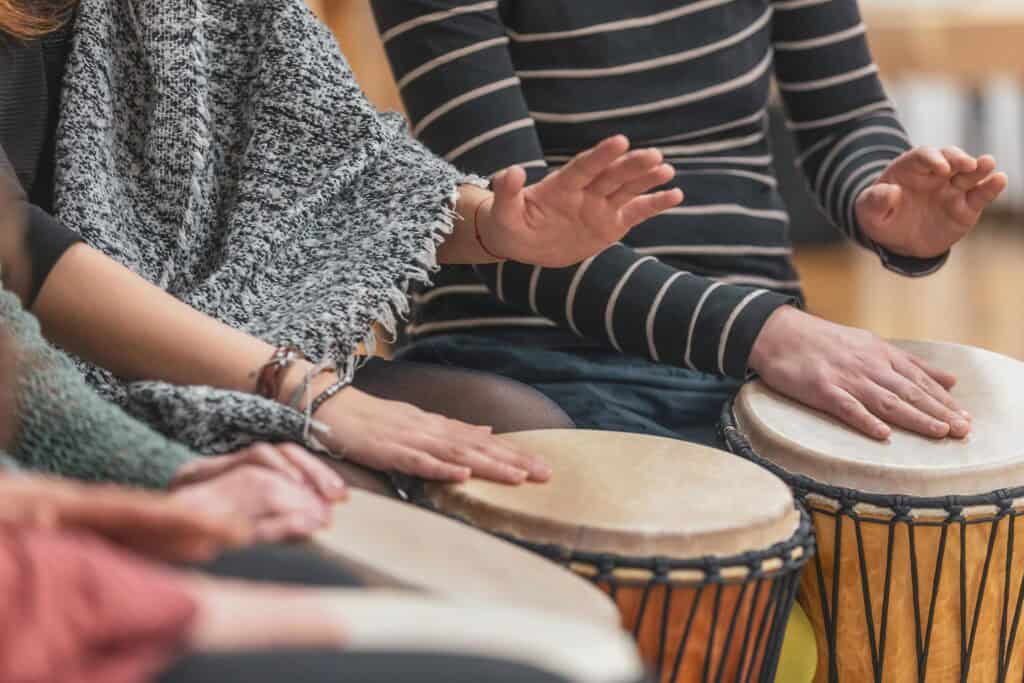
Music therapy is the clinical, evidence-based use of music to accomplish individualized goals within a therapeutic relationship. A credentialed music therapist might use different methods, such as listening to music to manage mood, engaging in songwriting to express personal stories, or using lyric analysis to explore resonant themes. You could also play an instrument to channel energy and emotion. According to the National Center for Biotechnology Information, music has a transformative power on the brain that can foster cognitive and emotional health. This therapy is highly effective for stress management, helping to improve your mood and provide a powerful outlet for self-expression.
Benefits of Creative Arts Therapies
In addiction recovery, art and music therapy offer a safe harbor for the complex feelings that come to the surface. These creative outlets provide a constructive way to process emotions like anger, grief, and shame without judgment. This type of therapy is especially beneficial for people who find traditional talk therapy challenging, have experienced trauma, or are navigating co-occurring disorders. It opens a door to emotional healing that words alone can’t always unlock. At pH Wellness, we integrate these powerful therapies into our dual diagnosis treatment programs to support holistic recovery, addressing both substance use and mental health together.
Stress Reduction
Engaging in art or music requires focus, which can induce a meditative state that naturally calms the body and mind. This mindfulness can lower your heart rate, reduce muscle tension, and decrease levels of cortisol, the body’s primary stress hormone. The rhythmic, repetitive nature of painting, drawing, or playing an instrument can be incredibly soothing, helping to quiet anxious thoughts. Similarly, listening to calming music can regulate breathing and promote a sense of peace, offering immediate relief from the physical and emotional symptoms of anxiety and stress.
Non-Verbal Healing
Trauma and other intense emotions are often stored in parts of the brain that aren’t connected to speech. This is why it can be so hard to talk about these experiences. Art and music therapy bypass the verbal centers of the brain, allowing you to access and process these stored feelings directly. For someone with a history of trauma or PTSD, trying to describe an event can be re-traumatizing. Creative expression provides a way to release these emotions safely, without having to relive the experience through words. This form of trauma-informed therapy respects the brain’s natural healing process by offering a gentle, non-verbal path to emotional processing.
Combining Art and Music Therapy with Conventional Treatment Approaches
It’s important to see art and music therapy as powerful complements to, not replacements for, core evidence-based treatments. They are valuable tools within a comprehensive addiction treatment plan. When integrated with therapies like cognitive behavioral therapy (CBT), they can deepen the healing process by offering alternative ways to explore the thoughts and feelings discussed in sessions.
Research shows that these complementary and alternative medicine (CAM) therapies are becoming more common in substance abuse treatment programs. For example, a study on the use of these therapies in treatment programs found that many facilities integrate them with established methods. The findings highlight how creative therapies support conventional approaches:
- Prevalence in Treatment: One study found that 36.8% of treatment programs offered art therapy and 14.7% offered music therapy.
- Integration with Evidence-Based Practices: Programs that used motivational enhancement therapy (MET) or required 12-step meetings were significantly more likely to also offer art and music therapy. This suggests that treatment centers view creative expression as a valuable part of a structured recovery plan.
- Patient Demographics: The availability of these therapies often correlates with patient demographics. Programs with a higher percentage of female patients were more likely to offer both art and music therapy, while those with more adolescent patients were more likely to provide music therapy.
- Common Techniques: In art therapy, you might create a collage about your hopes for recovery or paint feelings you can’t name. In music therapy, techniques often include songwriting, lyric analysis to find personal meaning in songs, or musical improvisation to express emotions spontaneously.
Frequently Asked Questions
Art and music therapy are forms of creative arts therapies that use creative expression to support mental health and emotional healing. Through activities like creating art, playing music, or engaging in artistic activities, individuals can express emotions that may be difficult to put into words. These therapies are guided by trained art therapists and music therapists who help build a therapeutic relationship and support overall well being.
Music therapy uses structured music therapy sessions and music interventions like music improvisation, lyric analysis, and playing instruments to help individuals express feelings and process complex emotions. Music therapy plays a powerful role in emotional processing, helping reduce stress, improve communication skills, and support mental well being in a safe and supportive environment.
Art therapy offers a creative outlet for people experiencing mental health struggles such as anxiety, mood disorders, and post-traumatic stress disorder. Using visual arts and different art materials, individuals can explore emotional conflicts, build self-awareness, and develop coping strategies. It can also improve self-esteem and provide emotional release during the healing process.
Combining Art and Music for Holistic Mental Health Treatment
Art and music therapy are more than just activities; they are evidence-supported tools that empower emotional expression and healing in addiction recovery. They create pathways to process trauma, reduce stress, and build self-awareness when words fall short. These therapies are most effective when they are part of a comprehensive, holistic treatment plan that addresses every aspect of your well-being.
Our team is here to help you explore how creative therapies can support your recovery. Give us a call at (888) 707-3880 to learn more about our holistic approach at pH Wellness and discover how we can tailor a treatment plan that feels right for you. Contact us today.
Sources
- National Center for Biotechnology Information. (October 2, 2024). How the arts heal: a review of the neural mechanisms behind arts therapies. PubMed Central.
- Indiana Wesleyan University. (May 20, 2025). Creative Arts in Counseling: Using Art, Music, and Drama Therapy. Indiana Wesleyan University.
- Edgewood College. (October 22, 2025). Explore How Art Therapy Combines Art and Psychology for Healing. Edgewood College.
- National Center for Biotechnology Information. (December 12, 2023). The transformative power of music: Insights into neuroplasticity and cognitive health. PubMed Central.
- PLoS One. (December 17, 2018). The effectiveness of art therapy for anxiety in adults: A systematic review of randomised and non-randomised controlled trials. PLoS One.
- University of Houston. (January 1, 2018). Healing Through Music. University of Houston.
- National Center for Biotechnology Information. (October 20, 2016). Art Therapy and Cognitive Processing Therapy for Combat-Related PTSD: A Randomized Controlled Trial. PubMed Central.
- Wiley. (January 15, 2025). Potential Role of Nonverbal Synchrony in Psychotherapy: A Meta-Analysis. Counselling and Psychotherapy Research.
- National Center for Biotechnology Information. (December 17, 2014). The Use of Art and Music Therapy in Substance Abuse Treatment Programs. PubMed Central.
- U.S. Department of Veterans Affairs. (July 27, 2018). Substance Use Disorder Treatment: Complementary Approaches. VA.gov.
- National Center for Complementary and Integrative Health. (January 1, 2024). Paying for Complementary and Integrative Health Approaches. NCCIH.nih.gov.
- SAGE Publications. (March 15, 2024). Holistic Rehabilitation in Action: A Data-Driven Analysis of the Impact on Quality of Life Among Drug Abusers. Journal of Evidence-Based Integrative Medicine.


