
What are Quaaludes?
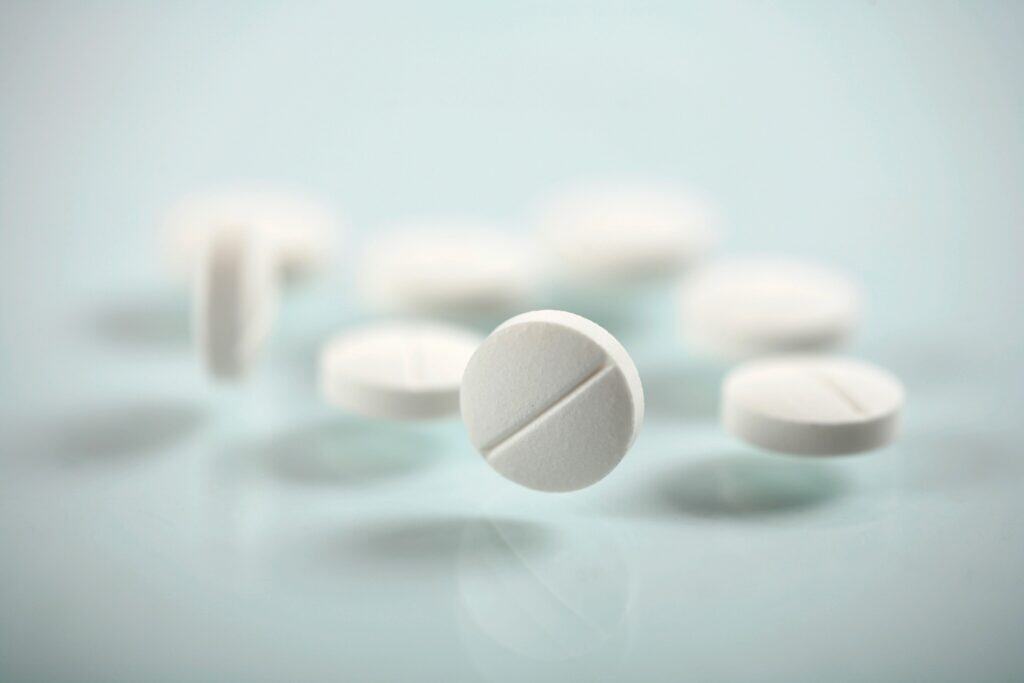
Quaaludes was the American brand name for methaqualone, a synthetic, sedative-hypnotic drug. First created in India in the 1950s during research for antimalarial drugs, its powerful calming effects were quickly recognized. By the 1960s, it was introduced in the U.S. and marketed as a prescription sleep aid, intended to be a safer alternative to barbiturates. Doctors prescribed it to treat insomnia and anxiety, hoping it would carry a lower risk of addiction.
However, its popularity exploded, especially in the party scenes of the 1970s. It became known by various street names, including “ludes,” “sopers,” and “disco biscuits,” reflecting its cultural significance at the time. What was once a promising prescription medication soon became a symbol of recreational drug use and its hidden dangers.
How Do Quaaludes Work?
So, how do Quaaludes actually work? The active ingredient, methaqualone, is a central nervous system depressant. It works by increasing the activity of GABA, a natural chemical in the brain that calms nerve activity. This produces strong sedative effects, leading to feelings of deep relaxation, euphoria, and drowsiness. During the 1970s, these sensations made the drug highly sought after for recreational use.
But these pleasant feelings come with serious risks. By slowing down the central nervous system, methaqualone also reduces heart rate and breathing. Taking too much can easily lead to an overdose, causing unconsciousness, coma, and even death. The danger becomes far greater when Quaaludes are mixed with other depressants, especially alcohol. Combining these substances can amplify their effects, a combination that proved fatal for many.
Recognizing the Signs of Quaalude Addiction
Detecting Quaalude addiction can be difficult, particularly because users may attempt to conceal their use. However, methaqualone is a powerful central nervous system depressant, and long-term abuse often produces noticeable physical and behavioral changes. As tolerance develops, individuals frequently increase their dosage to achieve the same euphoric effects they experienced initially, which can further escalate the risks of dependence and health complications.
Common signs of Quaalude abuse include:
- Loss of Muscle Control: A major sign is having trouble moving normally. Quaalude users might stumble often, look clumsy, or struggle to do simple physical tasks.
- Mental Confusion: Being constantly confused, forgetting things, and having a hard time focusing are common problems. This can happen even when the person isn’t taking the drug right at that moment.
- Breathing Problems: The drug slows down the central nervous system, which can cause respiratory depression. This means breathing becomes dangerously slow or shallow.
- Mood Swings: You might see big changes in their mental health and well being. A person might go from being extremely tired to suddenly feeling angry or anxious when the drug wears off.
If you notice someone exhibiting these symptoms, it is a strong indicator of a severe sedative addiction requiring immediate professional intervention.
Treatment Options for Quaalude Addiction at PH Wellness
Recovering from addiction is a journey, but you don’t have to do it alone. At pH Wellness, we offer specific rehabilitation programs designed to keep you safe and help you build a healthy life.
The first step for many people is detox. Because stopping Quaaludes suddenly can be dangerous, we recommend medically supervised detox to monitor your health. This ensures the drug leaves your body safely while a team manages any withdrawal symptoms.
Once you are stable, you can move into our residential program. This offers a structured environment where you can focus entirely on recovery without outside distractions. We use evidence-based treatment, which means our methods are proven to work. You will learn new skills to handle stress and understand the root causes of your addiction.
For those who are ready to live at home, we also offer outpatient programs. These allow you to visit our center for treatment while keeping your daily routine. You will participate in group therapy to share your experiences with others who understand what you are going through. At pH Wellness, we care about your total mental health and are here to support you every step of the way.
Are Quaaludes Legal?
No, Quaaludes are not legal. Once a widely prescribed medication, they became an illicit substance due to rampant abuse. As the dangers became clear in the 1970s, the government stepped in. Rising addiction rates and overdose deaths led the Drug Enforcement Administration (DEA) to reclassify the drug.
Initially, it was placed under stricter control as a Schedule II substance. However, as the crisis worsened, the DEA took a final, decisive step. In 1984, methaqualone was reclassified as a Schedule I drug. According to the DEA’s scheduling system, this classification is reserved for substances with a high potential for abuse, no currently accepted medical use in the United States, and a lack of accepted safety. This decision effectively ended the legal manufacture and distribution of Quaaludes in the country, pushing them entirely into the black market.
Frequently Asked Questions
How did Quaaludes become such a popular recreational drug?During the disco era, Quaaludes became a popular recreational drug known by street names like “disco biscuits.” Quaalude users sought them out because, at lower doses, the drug acts as a muscle relaxant and creates euphoric effects rather than just putting the user to sleep. This led to widespread recreational abuse in social settings and nightclubs.
What treatment options are available for recovery?Recovering from addiction to methaqualone requires a comprehensive approach. Rehabilitation programs usually begin with a medically supervised detox to manage withdrawal safely. Following detox, evidence based treatment is essential to address the root causes of substance abuse. This can include inpatient care in a structured environment or outpatient programs, depending on the severity of the addiction. Therapies such as group therapy, cognitive-behavioral therapy, and counseling help restore mental health and overall well being. Many facilities provide evidence based treatment specifically designed for sedative addiction, helping individuals rebuild their lives free from drug dependence.
What are the signs of Quaalude addiction and dependence?Quaaludes addiction is characterized by both physical dependence and psychological dependence. Because the drug is highly addictive, regular use changes brain chemistry, making it difficult for the user to function without it. Sedative addiction often manifests as an inability to sleep without the drug, anxiety, and cravings. Withdrawal symptoms from sedative hypnotic drugs can be severe and life-threatening, ranging from tremors and nausea to seizures and delirium. Because of this, medical supervision is absolutely critical during the detoxification process for quaalude abuse, as stopping “cold turkey” can be fatal.
Hope and Healing From Quaalude Addiction
The path to recovery often starts with medically supervised detox to safely manage withdrawal symptoms. From there, behavioral therapies like cognitive behavioral therapy (CBT) can help you understand the root causes of addiction and develop healthier coping mechanisms. Building a strong support system through group therapy and aftercare planning is also crucial for long-term success. There are many types of substance abuse treatment programs available to fit individual needs. At pH Wellness, we offer a compassionate, personalized, and holistic approach to care for those struggling here in California.
The story of Quaaludes is a stark reminder of the dangers of sedative misuse, but it doesn’t have to be your story. If you’re struggling, reaching out is the first and most courageous step toward a brighter future. You can heal, and we’re here to help you every step of the way. Please don’t hesitate to call us at (888) 707-3880 to speak with someone who understands. At pH Wellness, we believe in your potential to build a lasting recovery. You can also get in touch by reaching out through our contact page to learn more about how we can support you.
Sources
- PubChem. (08-02-2025). Methaqualone | C16H14N2O | CID 6292 – PubChem – NIH. National Institutes of Health.
- PubChem. (06-21-2025). 4(3H)-Quinazolinone, 2-methyl-3-(2-methylphenyl)-, mixt. with …. National Institutes of Health.
- National Center for Biotechnology Information. (07-30-2023). Drug Enforcement Administration Drug Scheduling – NCBI – NIH. National Library of Medicine.
- Drug Enforcement Administration. (04-01-2021). Drug Scheduling. U.S. Department of Justice.
- Rosalind Franklin University. (01-01-2018). Controlled Substances. Rosalind Franklin University of Medicine and Science.
- Diversion Control Division. (06-04-2025). Controlled Substance Schedules – Diversion Control Division. U.S. Department of Justice.
- Indiana Department of Health. (03-31-2021). Health: Overdose Prevention: Drug Schedules 1-5. State of Indiana.
- Rhode Island Department of Health. (05-12-2025). Controlled Substances – Rhode Island Department of Health. State of Rhode Island.
- Diversion Control Division. Controlled Substance Code Number. U.S. Department of Justice.
- Hammer, H. et al. (08-14-2015). A Multifaceted GABAA Receptor Modulator. Journal of Medicinal Chemistry, 58(15), 6316–6329.
- Hammer, H. et al. (01-01-2015). A Multifaceted GABAA Receptor Modulator – PubMed Central. Journal of Medicinal Chemistry, 58(15), 6316–6329.
- National Institute on Alcohol Abuse and Alcoholism. (05-08-2025). Alcohol-Medication Interactions: Potentially Dangerous Mixes. National Institutes of Health.
- Substance Abuse and Mental Health Services Administration. (09-24-2025). Home | SAMHSA – Substance Abuse and Mental Health …. U.S. Department of Health and Human Services.
- Centers for Disease Control and Prevention. (01-31-2025). Drinking Alcohol While Using Other Drugs Can Be Deadly. Centers for Disease Control and Prevention.
- National Institute on Alcohol Abuse and Alcoholism. (12-01-2020). Understanding the Dangers of Alcohol Overdose. National Institutes of Health.
- U.S. Department of State. (03-01-2025). International Narcotics Control Strategy Report. U.S. Department of State.
- Precision FDA. METHAQUALONE. U.S. Food and Drug Administration.
- Ionescu-Pioggia, M. (1988). Methaqualone – PubMed – NIH. Pharmacology Biochemistry and Behavior, 30(4), 907-916.


