
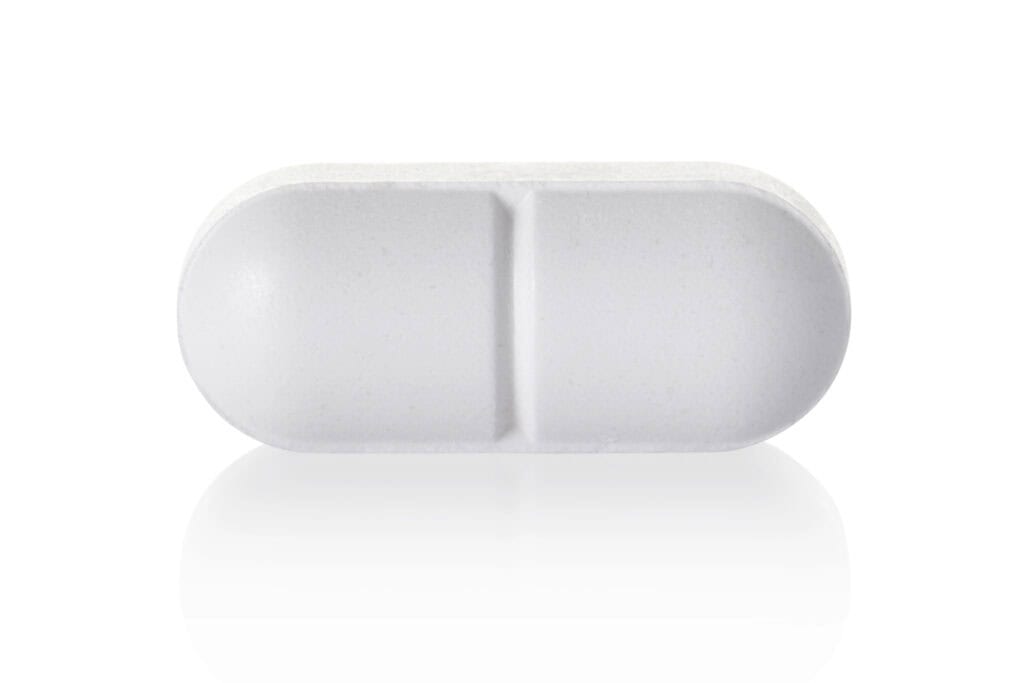
What is the M367 Pill?
The “M367” you see is an imprint on a prescription pain medication. Each of these pills contains a combination of two active ingredients: 325 mg of acetaminophen and 10 mg of hydrocodone bitartrate. Acetaminophen is a common, non-opioid pain reliever that also reduces fever, while hydrocodone is a powerful opioid narcotic. This combination is designed to treat significant pain that hasn’t responded to other treatments. Visually, the M367 pill is a white, capsule-shaped or oblong tablet, making it easy to identify. Because hydrocodone has a high potential for misuse and dependence, M367 is classified as a Schedule II controlled substance by the U.S. Drug Enforcement Administration (DEA). This classification highlights the importance of using this medication exactly as prescribed and understanding the risks associated with an opioid pain reliever like hydrocodone.
Medical Uses of Hydrocodone Bitartrate
A doctor typically prescribes the M367 pill for the management of moderate to severe pain that isn’t well-controlled by other, non-opioid medications. Its two ingredients work together to provide effective pain relief. The hydrocodone component acts on the central nervous system to block pain signals in the brain, while acetaminophen offers additional pain management and can help reduce fever. Because of its strength and the risk of dependence, M367 is almost always intended for short-term use. A doctor might prescribe these pills for:
- Pain following a major surgery
- Discomfort from a significant injury, like a broken bone
- Short-term management of other acute, severe pain conditions
The goal is to provide relief during the most intense period of pain, not to be a long-term solution. Using it for longer than a few days significantly increases the risk of developing a physical dependence on the medication.
Risks and Warnings Associated with M367 Pill
M367 can be an effective option for pain relief, but it comes with important risks that should not be overlooked. The hydrocodone in M367 carries a high potential for dependence and addiction, even when used as prescribed. Additionally, the acetaminophen in the medication can be dangerous or even life-threatening if taken above the recommended dose. Understanding these risks is essential for using M367 safely and recognizing when the medication may be causing more harm than benefit.
Short-Term Side Effects
When you first start taking M367, you might experience several side effects as your body adjusts. Most of these are common with opioid medications and tend to be mild, but it’s important to be aware of them. If any of these effects feel severe or don’t go away, you should talk to your doctor. Some common short-term side effects include:
- Drowsiness, sedation, or feeling unusually tired
- Dizziness and lightheadednes
- Nausea and vomiting
- Constipation, which is a very common effect of opioids
- Dry mouth
- Headaches
- Itching, a known reaction for some people taking opiates
Long-Term Side Effects and Health Risks
Using M367 for an extended period carries serious health risks. One of the biggest dangers comes from the acetaminophen component. Taking more than the maximum daily dose can lead to severe liver damage or even acute liver failure, a life-threatening condition. It is crucial to be aware of how much acetaminophen you are consuming, as it is present in many over-the-counter products. The hydrocodone in M367 presents its own long-term problems. With continued use, your body develops a tolerance, meaning you need more of the drug to get the same pain relief. This can quickly lead to physical dependence, where your body needs the drug to function normally, and eventually, addiction.
M367 and Overdose Risks
An overdose on M367 is a medical emergency that requires immediate attention. The combination of hydrocodone and acetaminophen makes an overdose particularly dangerous, as it can cause both respiratory failure from the opioid and liver failure from the acetaminophen. If you suspect someone has overdosed on M367, call 911 right away. If naloxone (Narcan) is available, administer it as it can reverse the effects of the opioid and restore breathing. The critical symptoms of an overdose include:
- Slowed, shallow, or stopped breathing (respiratory depression)
- Extreme drowsiness or inability to wake up (unresponsiveness)
- Pinpoint pupils (very small pupils)
- Blue- or purple-colored lips and fingernails
- Cold, clammy skin
- Loss of consciousness or coma
M367 and Opioid Addiction: What You Need to Know
Opioid addiction is not a choice or a moral failing; it is a chronic brain disease that changes how the brain’s reward system works, leading to compulsive drug use despite negative consequences. When you take an opioid like hydrocodone, it creates a powerful sense of euphoria that the brain can begin to crave. Over time, this can lead to an opioid use disorder. Research shows that a significant number of people who use prescription opioids develop a dependence, with some studies indicating that around 7% of adults who use them develop an opioid use disorder. If you feel like you’ve lost control over your use of M367 pills, please know that you are not alone, and compassionate, effective help is available.
Signs of Addiction to M367
Recognizing the signs of substance abuse is the first step toward getting help for yourself or a loved one. These signs can be broken down into behavioral changes and physical symptoms.
Behavioral signs may include:
- Taking more M367 than prescribed or for longer than intended for pain relief from severe pain
- “Doctor shopping” to get multiple prescriptions
- Spending a lot of time and money obtaining and using the pills
- Withdrawing from friends, family, and activities you once enjoyed
- Experiencing sudden mood swings or irritability
- Neglecting responsibilities at work, school, or home
Physical signs often include:
- Developing a tolerance, meaning you need higher doses to feel the effects
- Experiencing withdrawal symptoms like anxiety, sweating, muscle aches, and nausea when you stop taking the drug
- Persistent drowsiness or lethargy
- Poor coordination or appearing sedated
Common questions about the M367 pill
M367 pills work using two active ingredients to relieve pain. The first, hydrocodone, is an opioid that attaches to specific receptors in your brain and spinal cord. This action blocks pain signals from reaching your brain and produces a calming, euphoric feeling.
The second ingredient, acetaminophen, works through a different pathway to provide additional pain relief and reduce fever. This dual-action approach makes M367 effective for severe pain, but the way hydrocodone affects the brain also creates a high risk for dependence and addiction.
The main difference between M366 and M367 pills is the strength of the hydrocodone. Both medications contain the same amount of acetaminophen (325 mg), but M367 contains a higher dose of the opioid component.
Specifically, an M366 pill has 7.5 mg of hydrocodone, while an M367 pill has 10 mg. This makes M367 the stronger of the two. A doctor will prescribe the appropriate strength based on the severity of a patient’s pain and their medical history.
The pain-relieving effects of M367 typically wear off within 4 to 6 hours, but the drug can be detected in your body for much longer. The exact timeframe depends on factors like your metabolism, how long you’ve been taking it, and the dosage.
Generally, hydrocodone can be found in urine tests for up to 4 days, in saliva for up to 48 hours, and in hair follicles for as long as 90 days. It’s important to be aware of this, especially if you undergo drug testing for work or other reasons.
You should never stop taking M367 pills abruptly, as this can trigger painful and potentially dangerous withdrawal symptoms. The only safe way to stop is by consulting the doctor who prescribed them. They can help you create a tapering schedule to gradually reduce your dose over time and reduce the intensity of withdrawal symptoms.
If you’ve developed a dependence or addiction, a medical detox program is the safest and most supportive option. This provides professional supervision to manage withdrawal symptoms comfortably, marking the first crucial step toward recovery.
How to Seek Help for Addiction Treatment
If you notice signs of M367 addiction in yourself or a loved one, remember that recovery is possible. The journey often starts by seeking professional help. Treatment usually begins with a medically supervised detox, ensuring withdrawal symptoms are safely managed with expert care. From there, various types of substance abuse treatment programs are available, including residential inpatient care and outpatient programs, to fit your needs. Effective treatment goes beyond just stopping the drug; it involves therapy to address the root causes of addiction. Evidence-based approaches like cognitive behavioral therapy (CBT) and dialectical behavior therapy (DBT) are crucial for developing coping skills, managing triggers, and building a foundation for lasting recovery.
Understanding that M367 is a powerful medication with a high risk of dependence is the first step toward safety and healing. While it can be an effective tool for managing severe pain, its potential for misuse and addiction cannot be overlooked. Addiction is a treatable condition, not a reflection of your character, and you deserve support and compassion. Taking the next step can feel overwhelming, but you don’t have to do it alone. If you’re ready to start your journey toward recovery, our team at pH Wellness is here to help. You can speak with a caring professional by calling (888) 707-3880 or contact us online for a confidential consultation. Reaching out is a sign of strength, and it’s the beginning of a brighter, healthier future.
Sources
- U.S. Food and Drug Administration. (06-26-2024). Label: HYDROCODONE BITARTRATE AND ACETAMINOPHEN tablet. DailyMed.
- Kaye, A. D., et al. (10-06-2024). Hydrocodone and Acetaminophen. StatPearls. NCBI Bookshelf.
- Centers for Disease Control and Prevention. (06-10-2025). About Prescription Opioids. CDC.
- National Institute on Drug Abuse. (12-14-2023). What is the scope of prescription drug misuse in the United States?. NIDA.


