
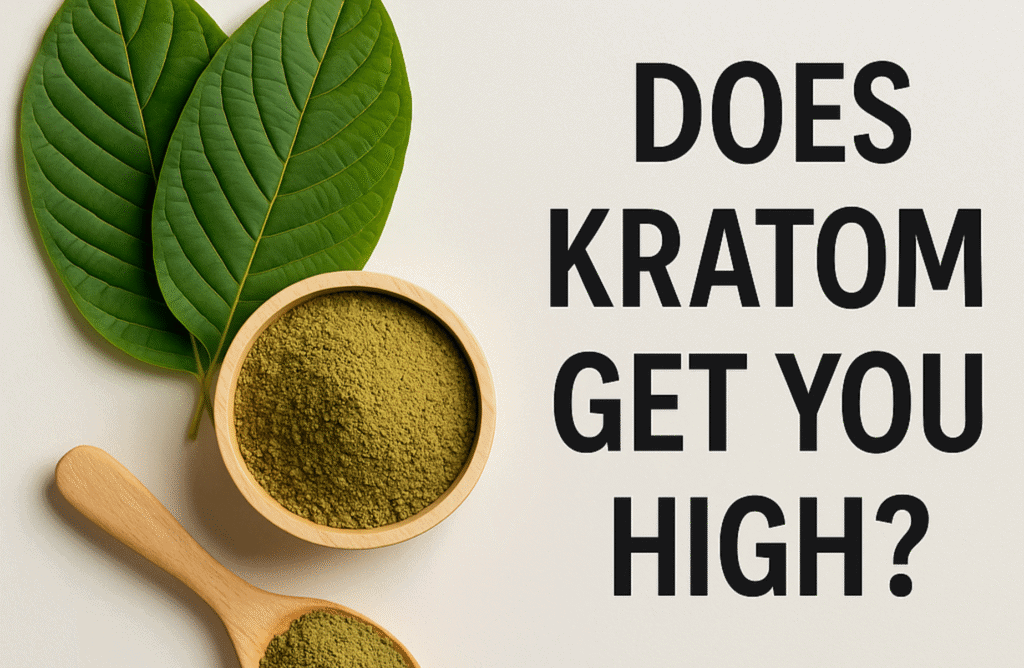
At pH Wellness, we recognize the dangers of kratom use and provide specialized kratom detox and rehab in California as part of our comprehensive addiction treatment programs.
Kratom (Mitragyna Speciosa): Plant Origins and Modern Use
Kratom (Mitragyna speciosa) is an herbal plant native to Southeast Asia, where people traditionally take its leaves for medicinal and cultural purposes. In the United States, kratom has grown in popularity as a so-called “natural” supplement, but research and patient reports show that it carries serious risks.
The Drug Enforcement Administration (DEA) has labeled kratom a “drug of concern,” reflecting rising cases of kratom abuse, dependence, and health complications among kratom users. While some describe positive effects, such as mild energy boosts or pain relief, studies also highlight significant side effects and the potential for substance use disorder.
At pH Wellness, we believe it’s important to look beyond the marketing and myths. By understanding what kratom is and how it affects the body, people can make informed choices and seek help when needed.
Symptoms and Side Effects of Kratom Use
Although marketed as a “natural” plant supplement, kratom can produce a wide range of physical and psychological effects. These vary depending on dose, frequency, and the individual’s health. Many patients report effects similar to both stimulants and opioids, which makes kratom unpredictable and potentially dangerous.
Common Physical Side Effects
- Dry mouth
- Nausea and vomiting
- Muscle pain or aches
- Constipation
- Sweating and itchiness
- Loss of appetite
Mental and Emotional Symptoms
- Feeling jittery, restless, or anxious at low doses
- Sedation, drowsiness, or slowed thinking at higher doses
- Mood swings and irritability
- Difficulty concentrating or remembering tasks
- Emotional instability and cravings that resemble other substance use disorders
Long-Term Risks of High Doses of Kratom Use
Over time, repeated use can lead to:
- Tolerance (needing more to feel the same effects)
- Dependence (experiencing withdrawal symptoms when not taking it)
- Health complications such as liver damage or changes in heart rhythm
- Risk of substance use disorder when kratom becomes a central coping tool
Kratom and the Opioid Receptors of the Brain
Using kratom may feel different from other substances at first, but research shows that the plant’s active compounds create powerful changes in the brain and nervous system. When people take kratom as a supplement, the compounds bind to opioid receptors, altering pain perception, mood, and energy.
At lower doses, kratom may act more like a stimulant, while at higher doses it mimics opioids, producing sedation or euphoria. This dual action is what makes kratom unpredictable, and why it has become a concern for the medical community and the Drug Enforcement Administration (DEA).
Over time, repeated kratom use can rewire the brain’s natural balance. Kratom may reduce the brain’s own ability to regulate dopamine and serotonin, leading to dependence and difficult withdrawal symptoms when someone tries to stop. These symptoms can include anxiety, irritability, cravings, insomnia, and depression, all hallmarks of substance abuse and early signs that professional help is needed.
Although kratom is not a federally controlled substance in the United States, its impact on the brain makes it anything but harmless. Medical reviews suggest that for some people, even short-term use can trigger long-term challenges.

Is Kratom Safe at Low Doses?
Some people believe that using kratom in small amounts is harmless, mainly because it comes from the leaves of an herbal plant and is often sold as a supplement. At low doses, kratom may act as a mild stimulant, providing short bursts of energy or reduced pain. However, research and medical experience show that even at lower doses, kratom is not without risks.
Safe Alternatives to Kratom for Pain and Stress Relief
While many people turn to Kratom in search of pain relief, energy boosts, or stress reduction, the risks often outweigh the benefits, especially at high doses. Fortunately, there are safe, evidence-based alternatives that can provide relief without the dangers of dependence, withdrawal, or misuse tied to kratom and its impact on opioid receptors.
Medical and Therapeutic approaches may include participating in various evidence-based therapies like cognitive behavioral therapy (CBT) or mindfulness-based stress reduction. Engaging your body through physical therapy, yoga, or other structured exercise programs can also help naturally heal chronic pain.
If you are looking for a little more support, holistic practices like meditation and massage therapy can help with pain management in safe, natural ways.
At pH Wellness, we remind patients and families that if kratom use is starting to feel necessary to get through the day, it’s time to seek professional help. Our treatment centers provide medical detox, evidence-based therapy, and long-term recovery planning to address kratom dependence at every stage, whether it began with “just a little” or escalated into heavy use.
Does Kratom Get You High?
Yes, kratom can produce a high, though its effects differ from those of other substances. At lower doses, kratom acts as a mild stimulant, boosting alertness and energy. At higher doses, it can produce opioid-like effects, including euphoria, relaxation, and pain relief.
The plant’s active compounds bind to the brain’s opioid receptors, which explains the feelings of sedation or euphoria. These effects, however, also contribute to kratom’s potential for dependence, addiction, and other serious health risks.

Addiction Treatment for Kratom Dependence
When it comes to kratom use, many people start with small doses, believing it’s just an herbal supplement. But over time, kratom may create dependence, difficult withdrawal symptoms, and a cycle of addiction that’s hard to break without professional help. No one should have to go through this process alone; that’s where pH Wellness comes in.
At our treatment centers in Riverside, California, we specialize in supporting individuals struggling with kratom dependence.
Kratom Use and Mental Health: Anxiety, depression, and Emotional Instability
Kratom doesn’t just affect the body; it can also take a toll on your emotional well-being. Many individuals report experiencing greater levels of anxiety, mood swings, irritability, and even emotional instability tied to kratom use. At higher doses, the risk of depressive symptoms and withdrawal-related cravings increases, creating a cycle that mimics other substance use disorders.
These psychiatric risks are essential to address in treatment, since recovery involves not only breaking physical dependence but also learning healthier ways to manage stress, uncertainty, and negative self-beliefs.
Our compassionate, evidence-based approach to mental health and substance use disorder is designed to address every stage of recovery, including options like:
Individual and Group Therapy
Detox is just the first step. At pH Wellness, patients work one-on-one with our licensed therapists and participate in supportive group sessions. Therapy helps uncover the root causes of kratom addiction, whether related to stress, trauma, or other life challenges. We integrate proven methods such as CBT, DBT, and trauma-informed therapy so people can build coping skills that last.
Dual Diagnosis and Mental Health Support
For many patients, kratom use is connected to underlying mental health struggles like anxiety, depression, or unresolved trauma. Our dual diagnosis programs are designed to treat both substance use and mental health together, giving patients the tools to heal on every level.
Long-Term Recovery Planning
Healing doesn’t end after detox. At pH Wellness, patients receive long-term recovery planning tailored to their needs. This may include relapse prevention strategies, family therapy, holistic wellness practices, and connections to aftercare programs, ensuring that each person leaves with confidence and a plan for lasting recovery.
Kratom addiction is challenging, but recovery is possible. If you or a loved one is struggling, know that pH Wellness is here to help. Our team is ready to walk with you through every step of the journey, from the first days of detox to building a healthy, substance-free future.

The Hidden Risks Behind the High
So, does kratom get you high? Yes, at higher doses, kratom (Mitragyna speciosa) can create opioid-like effects, including euphoria and sedation. But those fleeting highs come with very real risks: dependency, withdrawal, and long-term health concerns.
If you or someone you love is struggling with kratom use, you don’t have to face it alone. At pH Wellness, we provide compassionate, evidence-based treatment that helps you break free from substance use and rebuild your health. Reach out today and take the first step toward lasting recovery.
Sources
U.S. Drug Enforcement Administration. (2020). Drug Fact Sheet: Kratom.


