

At pH Wellness, we understand the deep emotional wounds that often lie beneath substance use—and we’re here to help you reclaim your life. With personalized, compassionate care, our team specializes in guiding individuals through the healing process, addressing not just the addiction of heroin dependence, but also important aspects of mental health and the underlying pain that fuels it.
What Is Heroin and Why Is It So Addictive?
Heroin is a highly addictive opioid drug, synthesized from morphine—a naturally occurring substance extracted from the seed pod of the opium poppy plant. Classified as a Schedule I substance by the Drug Enforcement Administration (DEA) due to its high potential for abuse and addiction as well as heroin overdose. Heroin is most commonly injected, smoked, or snorted. Regardless of how it’s used, it acts with alarming speed, entering the brain and producing a wave of euphoria, warmth, and temporary escape from both physical and emotional pain.
But that “high” comes at a steep cost—one that affects not just the body, but the mind and spirit.
Heroin and the Brain
Heroin works by mimicking the brain’s natural neurotransmitters, specifically endorphins and enkephalins, as well as targeting opioid receptors which are responsible for regulating pain and pleasure. These “feel-good” chemicals are part of the brain’s reward system. However, when heroin floods the system, it overwhelms and disrupts that balance. Over time, the brain reduces its own production of natural endorphins, leading to cognitive impairment and becoming dependent on heroin to create any sense of well-being or relief.
This is the biological foundation of heroin abuse—a condition that goes far beyond a bad habit. It is a form of substance abuse that rewires the brain, making it increasingly difficult for heroin users to experience joy, motivation, or even basic functionality without the drug.
How Heroin Affects the Brain: The Three Major Impacts
What makes heroin particularly dangerous is not only the intensity of its high, but how quickly it rewires the brain’s chemical makeup and decision-making centers.
According to the National Institute on Drug Abuse, heroin’s neurological effects are a key reason why opioid use disorder is so difficult to overcome without professional intervention. Whether it begins through prescription opioids or other drugs, the transition to heroin is a well-documented pathway in opiate addiction.
Here are the three primary ways heroin addiction and use disorder alters brain function:
1. Heroin Dependence Overstimulates the Brain’s Reward System
Heroin use binds rapidly and powerfully to mu-opioid receptors in the brain’s reward circuitry, especially in the nucleus accumbens and ventral tegmental area (VTA). These areas control motivation, pleasure, and reinforcement of behavior.
Once heroin enters the system, it triggers an unnatural flood of dopamine—the brain’s “feel-good” chemical. This flood creates an overwhelming euphoria that far surpasses the pleasure from natural rewards, often leading users to require larger doses like food, relationships, or hobbies. But the brain isn’t equipped to handle such a dopamine surge repeatedly.
Over time, the brain adapts—reducing its own dopamine production and becoming desensitized to pleasure from normal life activities. This creates a powerful craving for heroin that fuels drug addiction and leads to compulsive use, even in the face of devastating consequences. Natural sources of joy stop feeling satisfying, and the brain becomes hardwired to seek heroin above all else.
2. Heroin Abuse Impairs Decision-Making and Impulse Control
Long-term or chronic heroin use alters the prefrontal cortex, the region of the brain responsible for:
- Assessing risk
- Controlling impulses
- Making decisions
- Considering long-term consequences
As this area becomes impaired, individuals may begin to act in ways that contradict their values—lying, stealing, or continuing use despite wanting to stop. These behaviors are not simply moral failings; they are the result of neurochemical disruption caused by heroin.
3. Heroin Dependence Disrupts Memory, Mood, and Emotional Regulation
Heroin drug abuse also negatively affects the hippocampus and amygdala, two critical regions that govern memory processing, emotional response, and stress regulation. As a result, chronic heroin users often report:
- Mood swings
- Depression
- Heightened anxiety
- Emotional numbness
- Difficulty with concentration or memory
These cognitive and emotional symptoms are part of the long-term effects of heroin use disorder, and they often persist even during early recovery. Without treatment, these changes can become chronic—but with the right support, the brain can heal.
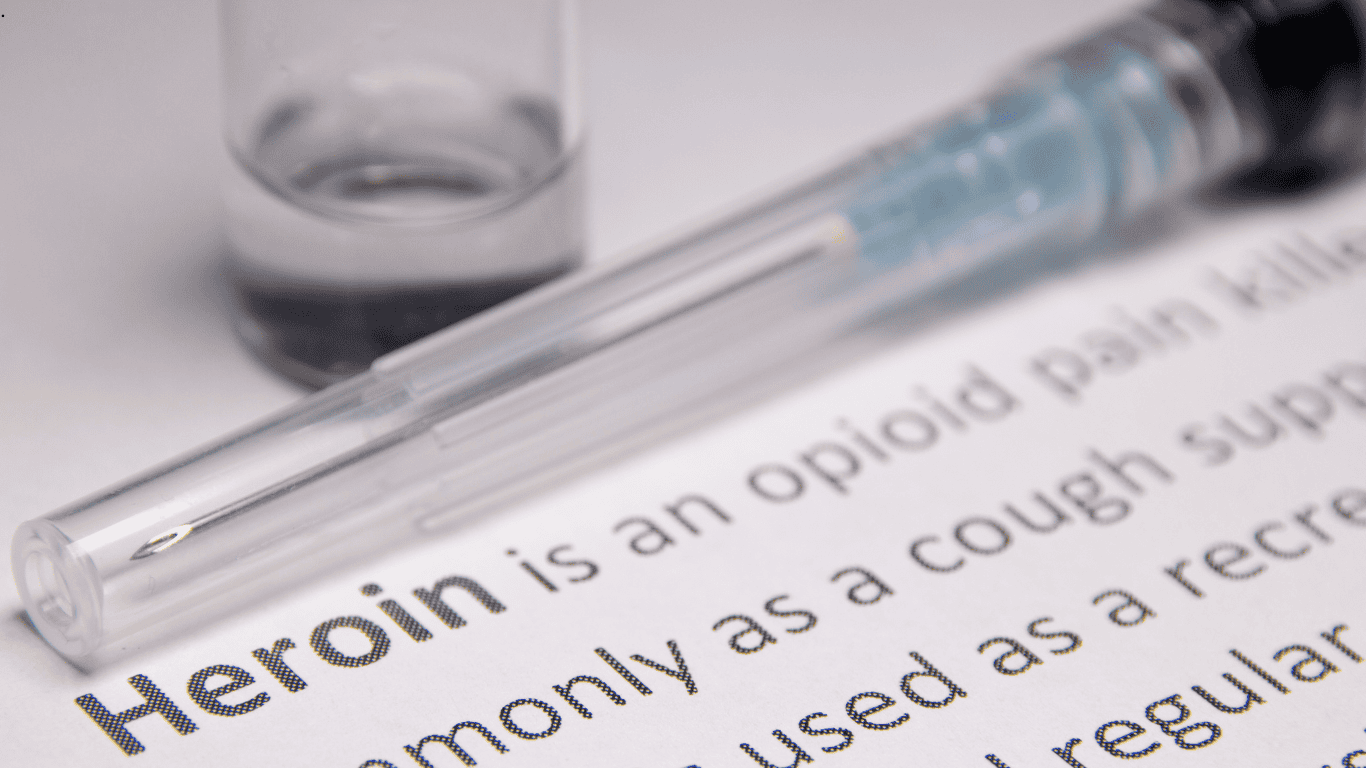
Key Effects of Heroin Use for Heroin Users:
Tolerance develops as the brain adapts to heroin’s effects. Over time, users need larger amounts of the drug to achieve the same sense of euphoria. As tolerance builds, the effects of heroin become weaker, leading individuals to use higher doses or riskier methods of consumption.
Dependence follows closely behind. At this stage, the brain and body rely on heroin just to function normally. Without it, emotional stability and physical health deteriorate, causing significant distress and dysfunction.
Withdrawal begins when heroin use is reduced or stopped altogether. The body reacts intensely, often making the quitting process feel unbearable. Common withdrawal symptoms include:
- Profuse sweating
- Nausea and vomiting
- Muscle aches and joint pain
- Severe anxiety and irritability
- Insomnia and restlessness
- Cramping and cold flashes
These symptoms are not simply uncomfortable—they are overwhelming for many. In fact, the intensity of withdrawal symptoms is one of the main reasons why individuals continue using heroin, even when they desperately want to quit.
The Overlap Between Heroin Addiction and Mental Health Disorders
For many individuals, heroin addiction or substance abuse is more than just a physical dependence—it’s a response to unresolved emotional pain, past trauma, or an underlying psychiatric condition. It’s no coincidence that a significant percentage of people struggling with heroin use also suffer from co-occurring mental health disorders such as:
- Depression
- Post-Traumatic Stress Disorder (PTSD)
- Anxiety disorders
- Bipolar disorder
Often, heroin or other opioids act as a temporary escape from overwhelming thoughts, emotional distress, or traumatic memories. Whether it’s prescription painkillers or black tar heroin—a potent, sticky form of the drug often associated with high overdose risk—the goal is the same: numb the emotional intensity.
But what starts as self-medication soon becomes self-destruction.
How Heroin Worsens Mental Health
The brain’s chemistry is incredibly sensitive, and opioids act by hijacking neurotransmitter systems responsible for regulating mood, stress, and perception. Over time, drug-related cues (like certain people, places, or emotions) begin triggering cravings and emotional dysregulation. The brain begins to associate heroin not only with relief but with survival.
As use continues, the adverse effects of heroin intensify:
- Increased depressive episodes
- Heightened anxiety and paranoia
- Emotional numbness and apathy
- Impulsive behavior and poor decision-making
- Cognitive dysfunction, and in some cases, risk of permanent brain damage—particularly in areas like the brain stem, which regulates breathing and heart rate
These effects are especially dangerous when heroin is mixed with other substances or in forms like black tar heroin, which may contain additional toxic adulterants.

Can the Brain Heal from Chronic Heroin Use Disorder?
The answer is a hopeful yes. The human brain is remarkably resilient—through neuroplasticity, it can adapt, reorganize, and form new neural connections, allowing recovery from many changes caused by chronic heroin use. Studies show that individuals in recovery can experience significant improvements in brain function over time, proving that healing is possible with the right care.
Effective recovery from heroin addiction requires a comprehensive approach addressing physical stability, mental health, and emotional well-being. At pH Wellness, treatment for heroin use disorder combines evidence-based practices, compassionate support, and individualized care plans to promote lasting recovery and restore brain health.
Let’s Start the Heroin Addiction Treatment Recovery Journey Together
At pH Wellness, we meet you exactly where you are—with compassion, without judgment, and with the evidence-based care you deserve. Whether you’re reaching out for the first time or returning to treatment after relapse, we recognize that every step toward recovery is a courageous one.
If you’re ready to take that next step, we’re ready to walk beside you. At pH Wellness, we specialize in heroin addiction treatment that supports not just detox and sobriety, but total brain healing and emotional recovery. Contact us today to get started.
A better life is waiting—and your brain deserves the chance to heal. Let us help you rediscover clarity, strength, and hope.
Works Cited
Drug Enforcement Administration. (n.d.). Heroin. U.S. Department of Justice
National Institute on Drug Abuse. (2021, April). Opioids. National Institutes of Health.


